
Marine Fenders: Protect Your Ship's Hull from Damage | Durable Solutions

Get a Free Quote

Our representative will contact you soon.
Email
Mobile/WhatsApp
Name
Company Name
Message
0/1000
Marine Fender: Protecting Ship's Hull

Marine Fender: Protecting Ship's Hull

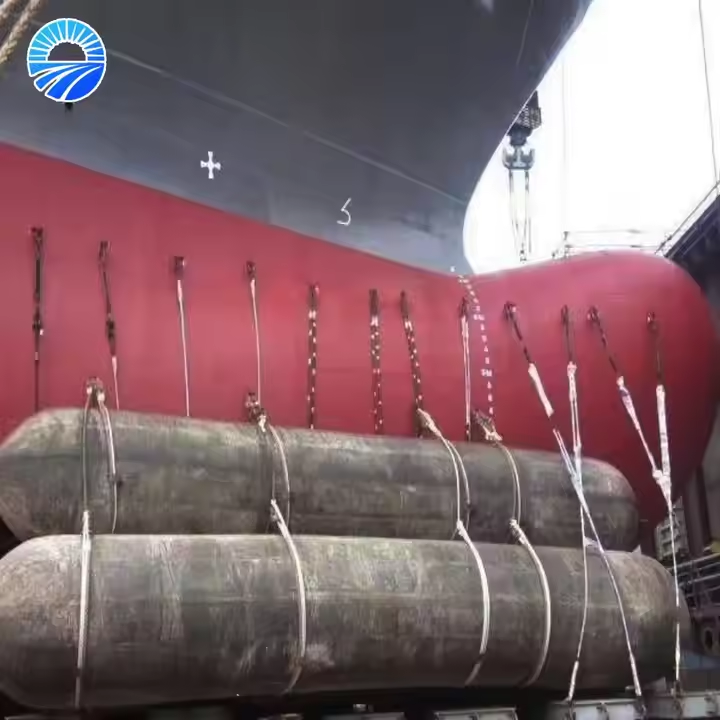
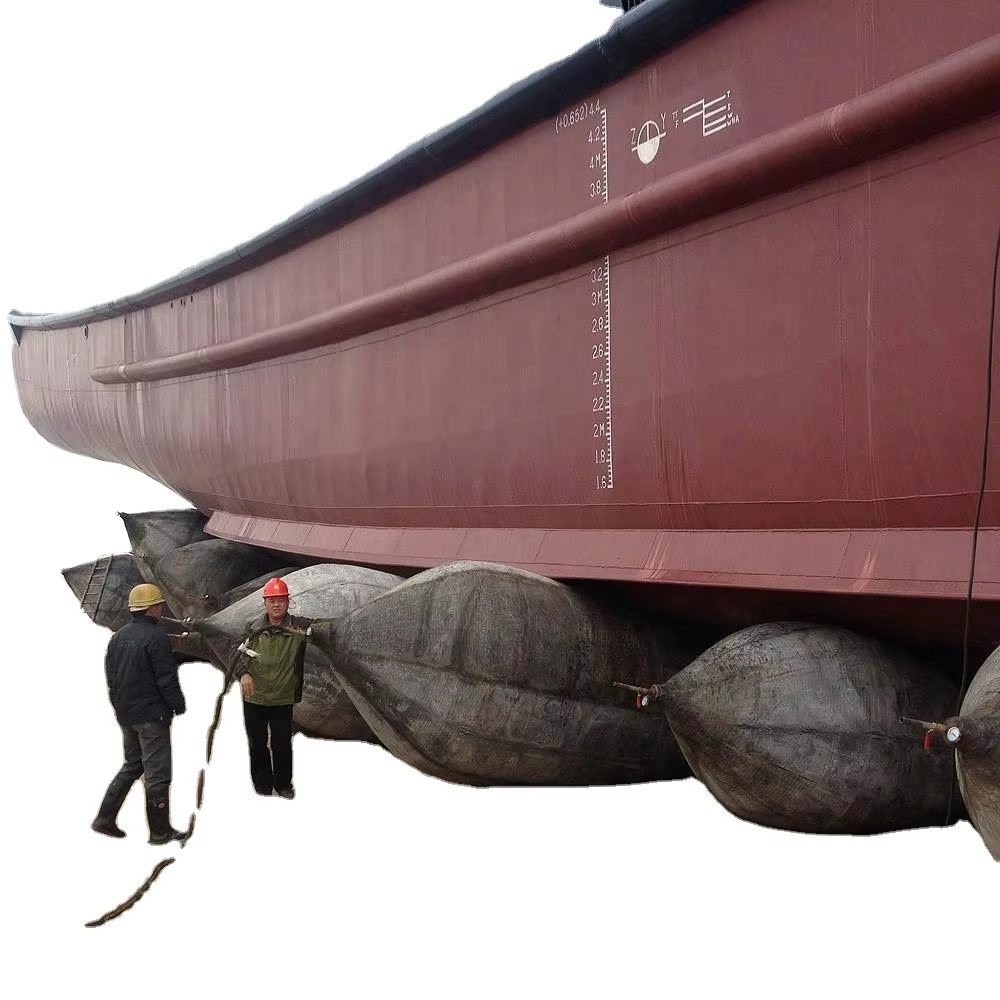
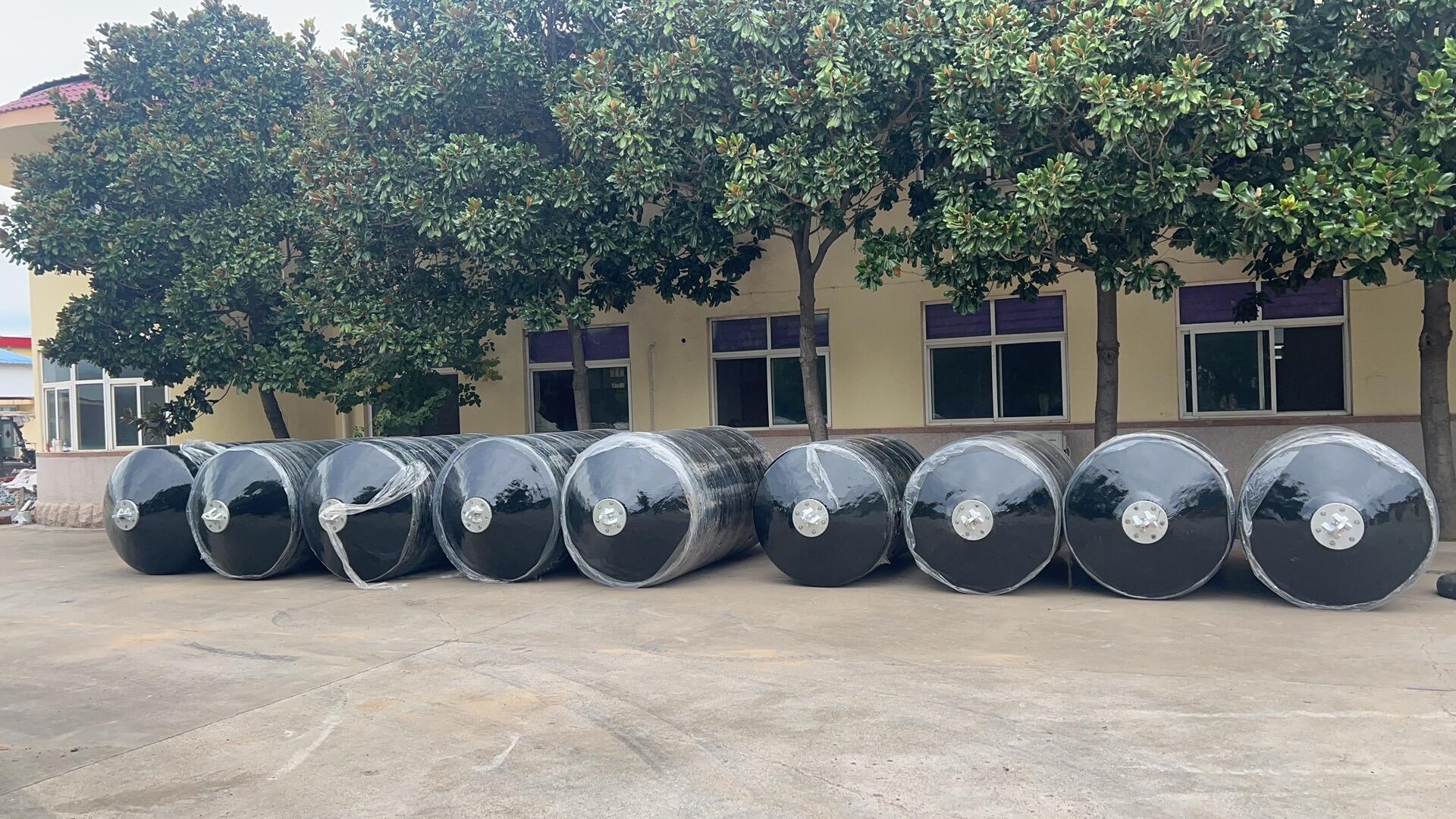
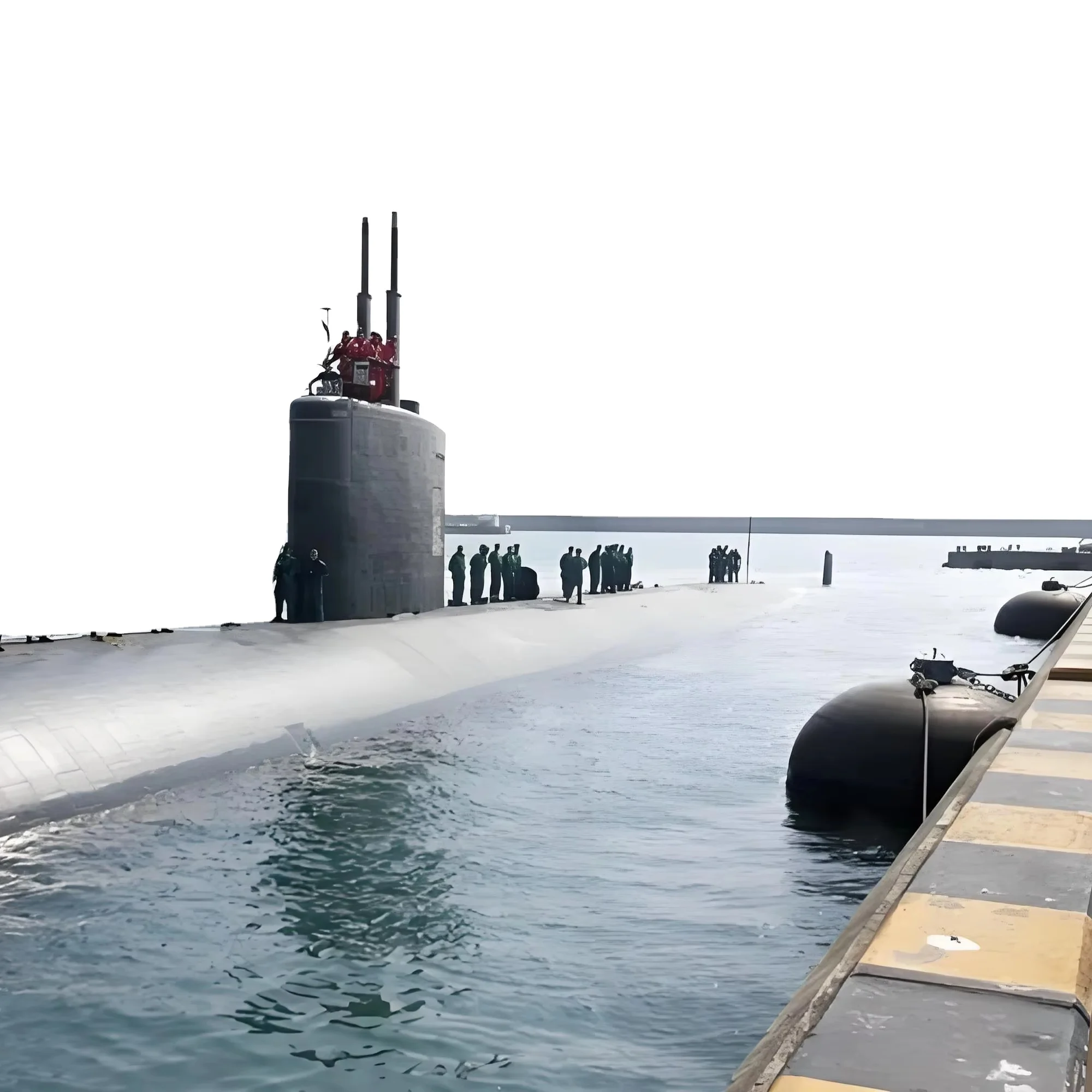
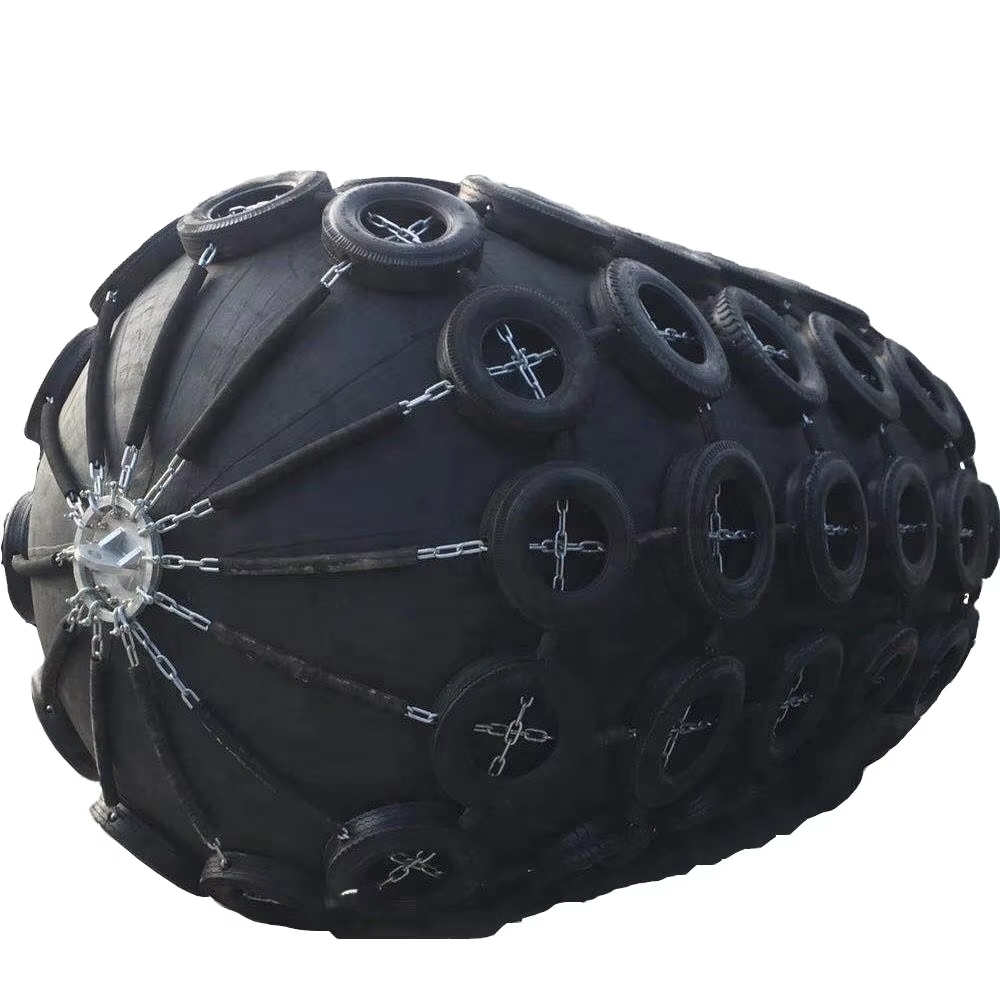
A marine fender is installed on the side or other parts of a ship. When a ship docks, moors, or is berthed side by side with other ships, it prevents the hull from being damaged by collisions. There are various materials and types, like rubber fenders and inflatable fenders. For example, the marine fenders on the side of a yacht protect it from scratches during mooring. It is crucial for maintaining the integrity of the ship's hull.
Get A Quote

Advantages of the product

Long - lasting Performance

Built to endure the harsh marine environment, marine fenders maintain their protective properties over time, reducing the frequency of replacements.

Enhanced Safety

By reducing the impact force during ship - to - ship or ship - to - dock contact, marine fenders enhance the safety of crew members and cargo during operations.

Related products

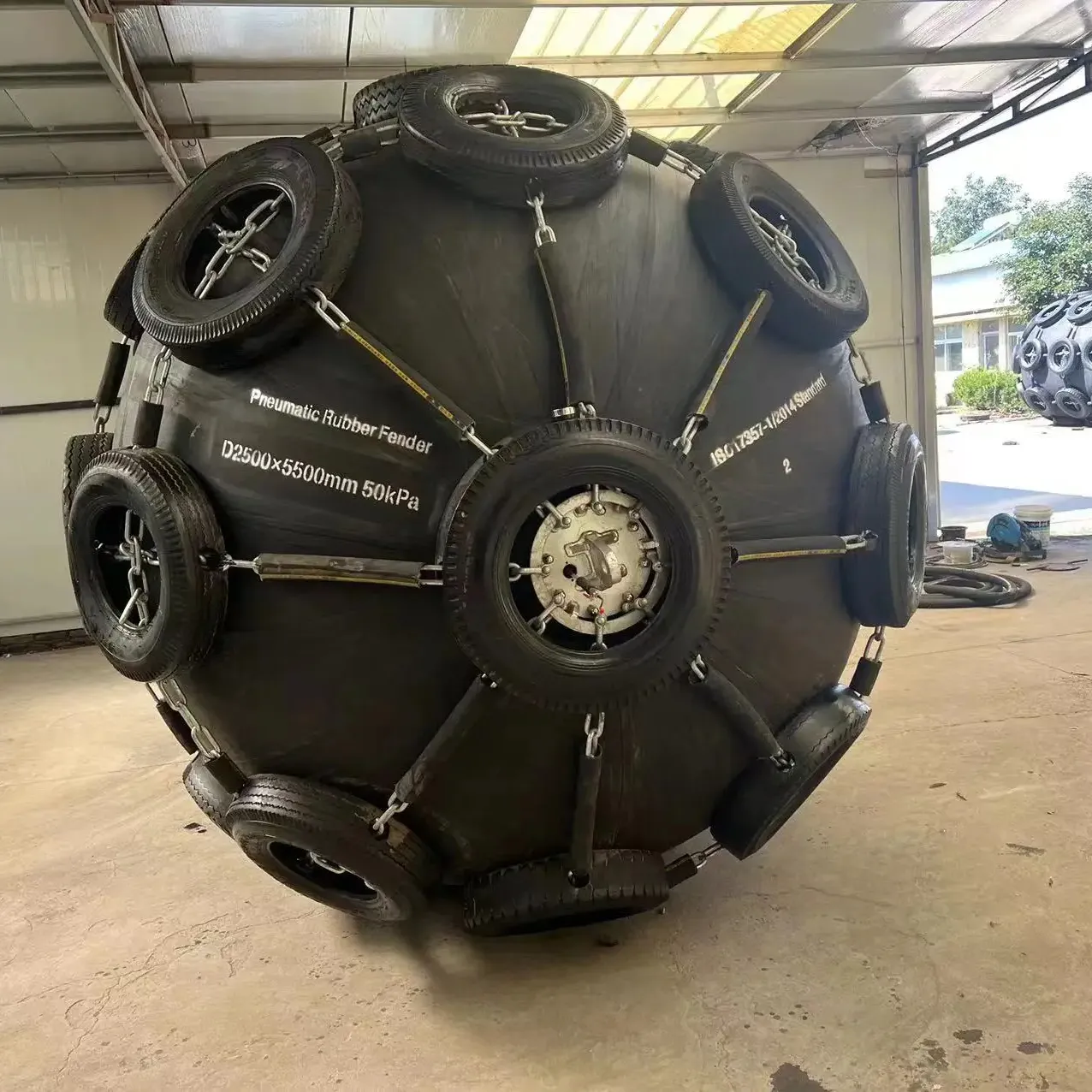
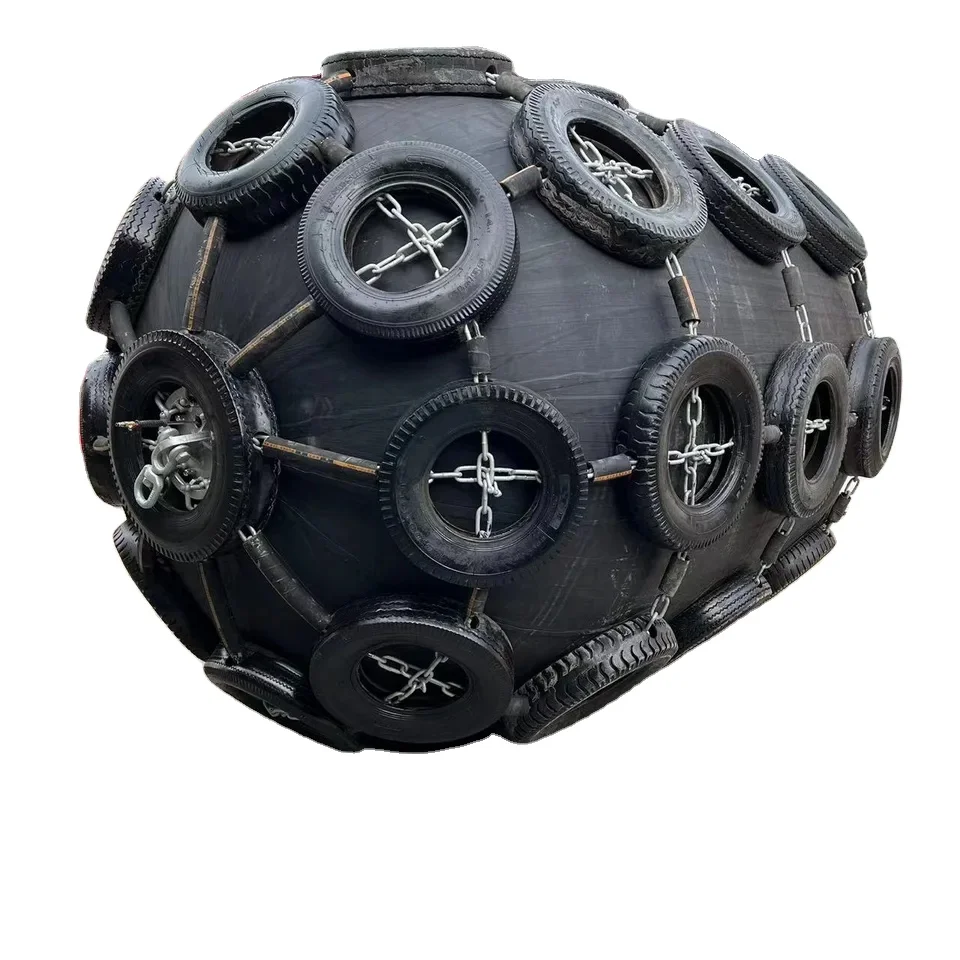
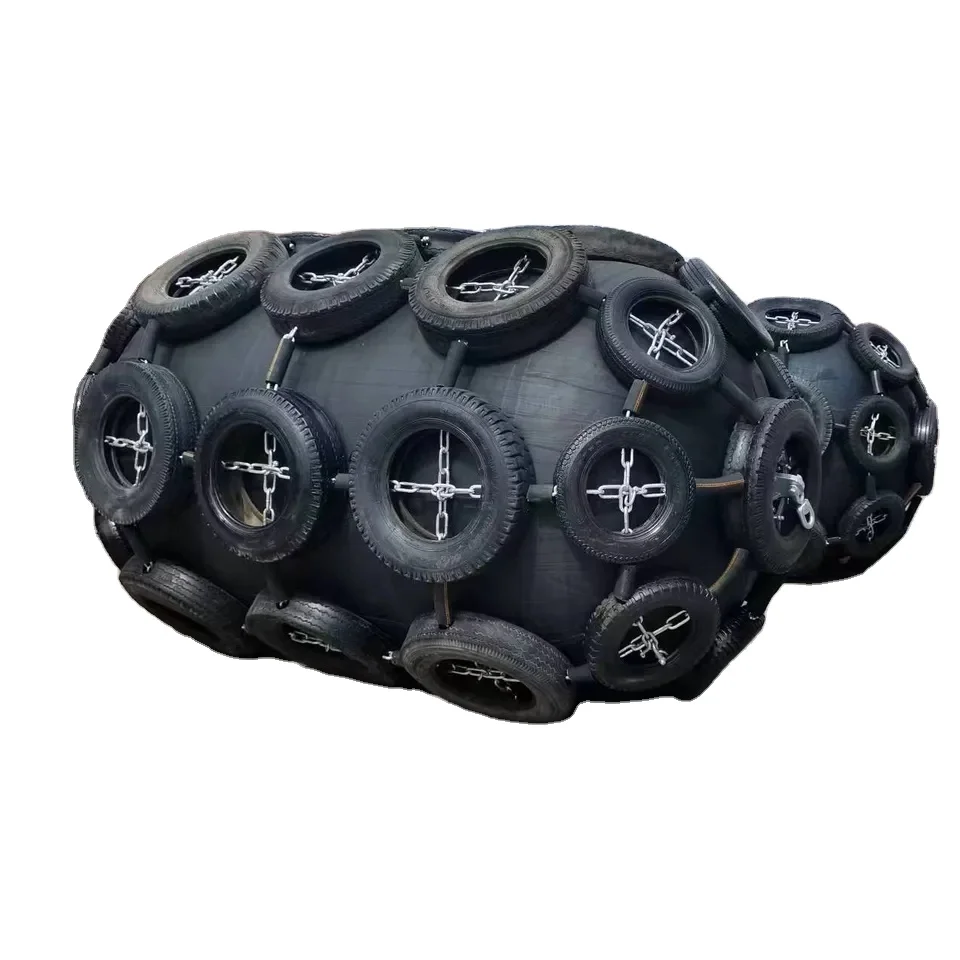
The installation of a marine fender with tire chains is a meticulous process that requires careful planning, appropriate equipment, and often skilled labor to ensure the system functions as designed, providing maximum abrasion protection and energy absorption. This hybrid system typically consists of a primary rubber fender body (like a cylindrical block) and an external protective layer made of cut tire segments linked by heavy-duty chains or steel cables. The installation procedure, which Qingdao Hangshuo Marine can provide detailed guidelines for, generally follows these key steps. First, the primary rubber fender must be securely mounted to the dock face or supporting structure using approved through-bolts, anchor bolts, or panel systems, ensuring it is aligned correctly and can react to berthing forces. Second, the pre-assembled tire chain curtain is hoisted into position around the installed fender. This assembly involves linking the tire pieces with chains through pre-drilled holes, creating a flexible mat. Third, and most critical, is the tensioning of the chain network. The chains must be uniformly tensioned, usually with turnbuckles or tensioning devices, to ensure the tire layer sits snugly against the fender without sagging or excessive gaps, creating a continuous protective barrier. Improper tension can lead to uneven wear, reduced effectiveness, and potential damage to the core fender. For large-scale or complex installations, on-site supervision by our technicians is highly advisable. They can oversee the process, ensure compliance with design specifications, and certify the installation integrity. If you are considering this robust solution for a high-abrasion environment such as a bulk terminal or a busy ferry dock, we encourage you to contact us. Our team can provide comprehensive marine fender with tire chains installation manuals, discuss necessary hardware, and arrange for technical support to guarantee your system is installed for optimal performance and longevity.

Common problem

Why are marine fenders important for ships?

Marine fenders are important for ships as they prevent damage during docking, mooring, or when berthing side - by - side with other vessels by absorbing impact forces.
Marine fenders are typically installed on the sides, bow, and stern of a ship, areas most prone to collision during docking and maneuvering.
Marine fenders should be inspected regularly, especially before and after long voyages or heavy - use periods, to check for signs of wear, damage, or degradation.

Related article

Ship Salvage Airbags: Emergency Solutions for Vessel Recovery Missions

28

Apr

Ship Salvage Airbags: Emergency Solutions for Vessel Recovery Missions

How Ship Salvage Airbags Enable Emergency Vessel Recovery Buoyancy Mechanics in Crisis Scenarios Getting a handle on how buoyancy works matters a lot when trying to recover boats in emergencies. The marine salvage airbags work based on what Archime...
View More
Why Rubber Marine Fenders Outperform Traditional Steel Bumpers

28

Apr

Why Rubber Marine Fenders Outperform Traditional Steel Bumpers

The Limitations of Traditional Steel Bumpers Susceptibility to Corrosion and Rust Steel bumpers on boats just aren't built to last forever, especially around water. When these metal parts get wet and salty from seawater, they start corroding pretty...
View More
Ultimate Guide to Choosing Marine Airbags for Ship Launching Operations

28

Apr

Ultimate Guide to Choosing Marine Airbags for Ship Launching Operations

Understanding Marine Airbags for Ship Launching How Marine Airbags Work in Launching Operations Marine airbags play a key role in today's ship launching operations because they offer an efficient and budget friendly way to get big vessels into the ...
View More
How Pneumatic Rubber Fenders Protect Ships During Offshore Mooring

28

Apr

How Pneumatic Rubber Fenders Protect Ships During Offshore Mooring

How Pneumatic Rubber Fenders Absorb Impact Energy Structure and Material Composition Pneumatic rubber fenders have a solid build featuring tough rubber materials backed by synthetic fibers for extra strength. The outer shell consists of heavy duty ...
View More

Customer Reviews

Julian

The marine fenders on our yacht have done an excellent job protecting it from scratches during mooring. They're a must - have for any boat owner.

Ethan

The marine fenders' shock - absorption capabilities are impressive. They safeguard our ship during every docking. Top - notch product!

Get a Free Quote

Our representative will contact you soon.
Email
Name
Company Name
Message
0/1000
Easy Maintenance

Easy Maintenance

Most marine fenders require minimal maintenance, with simple cleaning and occasional inspection being sufficient to keep them in good working condition.

Get a Free Quote

Our representative will contact you soon.
Email
Mobile/WhatsApp
Name
Company Name
Message
0/1000