 EN
EN


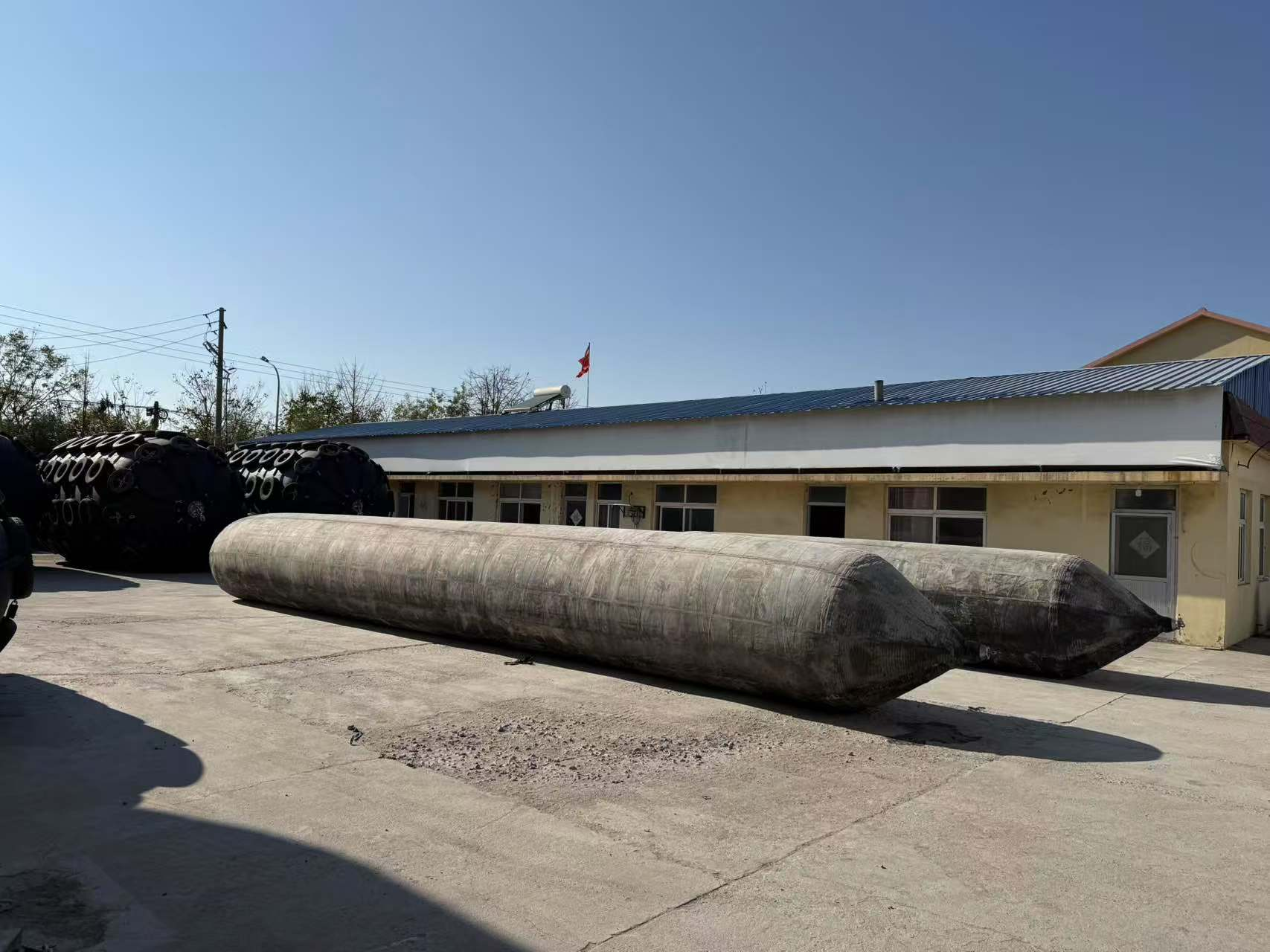
Customizing Pneumatic Rubber Airbags for Marine Applications
Design Adaptations for Specific Marine Tasks
When it comes to marine work, custom pneumatic rubber airbags really stand out because they can be made to fit all sorts of different needs on water. The versatility is pretty amazing actually. Take fishing boats for example these airbags often need special shapes so they float better and stay stable during rough conditions. Sometimes just changing how they're shaped makes all the difference when launching or retrieving smaller crafts from bigger ships. Safety matters too which is why many manufacturers focus on making airbags that are easier to handle without compromising strength. After all nobody wants someone getting hurt while trying to manage heavy equipment at sea. With proper customization these airbags handle whatever unpredictable situations come their way in coastal areas and open waters alike.
Material Engineering for Saltwater Durability
Choosing the right materials matters a lot when it comes to pneumatic rubber airbags exposed to saltwater corrosion. Recent improvements in rubber formulations along with better protective layers have made these airbags last much longer than before. Engineers today design them to hold up against breakdown much better compared to older materials we used back in the day. Take silicone-based compounds for example these days they can last years longer than standard rubber alternatives. Longer lifespan means less frequent replacements and fewer headaches with maintenance issues. All this translates into real money savings while keeping operations running smoothly even in tough ocean conditions where regular equipment would fail within months.
Pressure and Size Customization Options
Getting the right pressure settings and sizes matters a lot when it comes to pneumatic rubber airbags used in marine work. When operators adjust the pressure inside these bags, they can actually handle different weights and still keep things safe across all sorts of boat sizes. The availability of various sizes helps strike just the right balance between how much floatation is needed and how efficiently the system works overall. Think about fenders designed specifically for small pontoon boats versus those massive ones used on commercial shipping vessels. Real world testing indicates that properly sized airbags really boost both performance metrics and safety factors, which explains why most maritime professionals won't go without them anymore.
Critical Marine Tasks Demanding Custom Airbag Solutions
Dock Fenders for High-Impact Berthing
Rubber airbags play a vital part as dock fenders when ships come alongside at harbors where impacts happen regularly. These devices basically soak up all those heavy forces generated when a boat docks, which helps keep both the ship itself and the dock structure intact. Ports that install good quality fenders tend to see their maintenance bills drop quite a bit. Some port authorities report cutting their damage repair costs anywhere between 30% to 40% after switching to better fender systems. What makes these pneumatic bags so effective is how engineers can shape them to fit different dock configurations. A small fishing harbor needs something totally different from a large cargo terminal. This flexibility means ships stay safer during docking operations and the whole infrastructure lasts longer before needing expensive repairs or replacements.
Fenders for Pontoon Boats and Large Vessels
For pontoon boats and bigger watercraft, standard fenders just don't cut it most of the time. The shapes and sizes vary so much across different models that regular solutions simply won't work properly. That's why pneumatic rubber fenders have become popular choice among boat owners. They adapt well to all sorts of hull configurations and actually stand up better during those inevitable bumps and scrapes. Many dock masters and commercial operators swear by custom made fender systems after seeing how they perform over time. Some marinas even notice fewer repair costs once they switch to these specialized setups. Boat captains especially appreciate knowing their investment is protected against damage when moored next to other vessels or docking facilities.
Ship Launching and Recovery Operations
When it comes to launching and recovering ships, pneumatic rubber airbags play a crucial role in keeping everything stable through the whole operation. These airbags basically act as shock absorbers, helping vessels move smoothly from one position to another while reducing potential hazards. Many shipyards have successfully implemented custom made pneumatic airbags over the years, with real world results showing they work exceptionally well in practice. Safety regulations are always top priority in maritime operations, and good thing these specialized airbags meet all those strict requirements for safe handling procedures. What makes them so versatile is the ability to adjust pressure settings precisely according to what's needed. This matters a lot because no two ships are exactly alike when it comes to size, weight distribution, and other factors that affect how they behave during launch or retrieval processes.
Marine Salvage and Emergency Scenarios
Rubber airbags filled with compressed air play a really important role in marine salvage work, particularly when there's an urgent need for something to float and keep things stable. When ships go down or get into trouble at sea, these big bags can literally hold them up until help arrives, which makes getting them back on track much more likely. Some numbers floating around suggest that salvage jobs using specially made airbag systems tend to have better results because they just work so well at keeping things upright and afloat. Salvage teams might need to lift entire boats out of the water or simply stop them from sinking further, and in both cases these airbags make all the difference for workers trying to stay safe while doing their job under pressure. What makes these devices stand out is how adaptable they are, since no two maritime emergencies look exactly alike and each situation requires its own unique approach.
Performance Standards in Custom Marine Airbag Engineering
ISO Certification and Third-Party Verification
Getting ISO certified is pretty much essential if companies want to maintain top quality in making marine airbags. The certificates basically show that products get made with care, following strict rules that ensure they work well and stay safe. For customers wanting extra reassurance, getting checked by third parties like CCS, DNV, BV or GL adds another level of credibility. These aren't just rubber stamps either they actually look deep into how reliable and long lasting the products really are. What happens during certification? There's plenty of testing, regular inspections, and checking off all sorts of requirements. At the end of this whole process, manufacturers gain something valuable beyond paperwork their products meet high quality standards and stand out better when competing against others worldwide.
Pressure Testing and Load Capacity Validation
Testing pressure limits and checking load capacities form important parts of making sure pneumatic airbags work safely and efficiently. These tests basically check if the airbags can hold up when pushed to their limits. When we talk about pressure testing, it's all about seeing how well the airbags deal with different levels of pressure and impact forces. This matters a lot because nobody wants an airbag failing during actual use. Load capacity checks are just as important since they tell us exactly how much weight and stress the bags can take before breaking down. Real world data shows these airbags last surprisingly long even in tough marine environments where saltwater corrosion and constant movement would normally wear things out faster than expected.
Warranty and Longevity Assurance
A good warranty really matters when it comes to building trust among customers who buy marine airbags. Most manufacturers offer coverage for at least three years sometimes even longer showing they believe in what they sell and how long it should last. These kinds of guarantees help calm worries people might have about whether the product will hold up over time or perform reliably through rough conditions. Looking at numbers across the industry, boats with strong warranty protection generally stay functional longer and make owners happier than similar models without such backing. The whole idea behind these extended protections makes sense within standard business practices too. Boat owners want to know they aren't stuck with something that fails unexpectedly while out at sea somewhere remote.
FAQ
What are pneumatic rubber airbags used for in marine applications?
Pneumatic rubber airbags are used for a variety of marine applications including vessel launching, recovery, and protection as dock fenders. They are designed for buoyancy, stability, and impact absorption.
How do airbags withstand saltwater conditions?
Specialized materials, advanced rubber compounds, and protective coatings are employed to ensure durability against the corrosive effects of saltwater, enhancing the airbag's service life and reducing maintenance.
Can airbags be customized for specific marine tasks?
Yes, airbags can be customized in terms of pressure and size to meet specific marine requirements, ensuring they accommodate various load capacities and vessel dimensions.
Why is ISO certification important for marine airbags?
ISO certification ensures high-quality standards in production, guaranteeing performance and safety. It involves rigorous testing and compliance checks, providing assurance of product reliability and competitiveness.
Table of Contents
-
Customizing Pneumatic Rubber Airbags for Marine Applications
- Design Adaptations for Specific Marine Tasks
- Material Engineering for Saltwater Durability
- Pressure and Size Customization Options
- Critical Marine Tasks Demanding Custom Airbag Solutions
- Dock Fenders for High-Impact Berthing
- Fenders for Pontoon Boats and Large Vessels
- Ship Launching and Recovery Operations
- Marine Salvage and Emergency Scenarios
- Performance Standards in Custom Marine Airbag Engineering
- FAQ