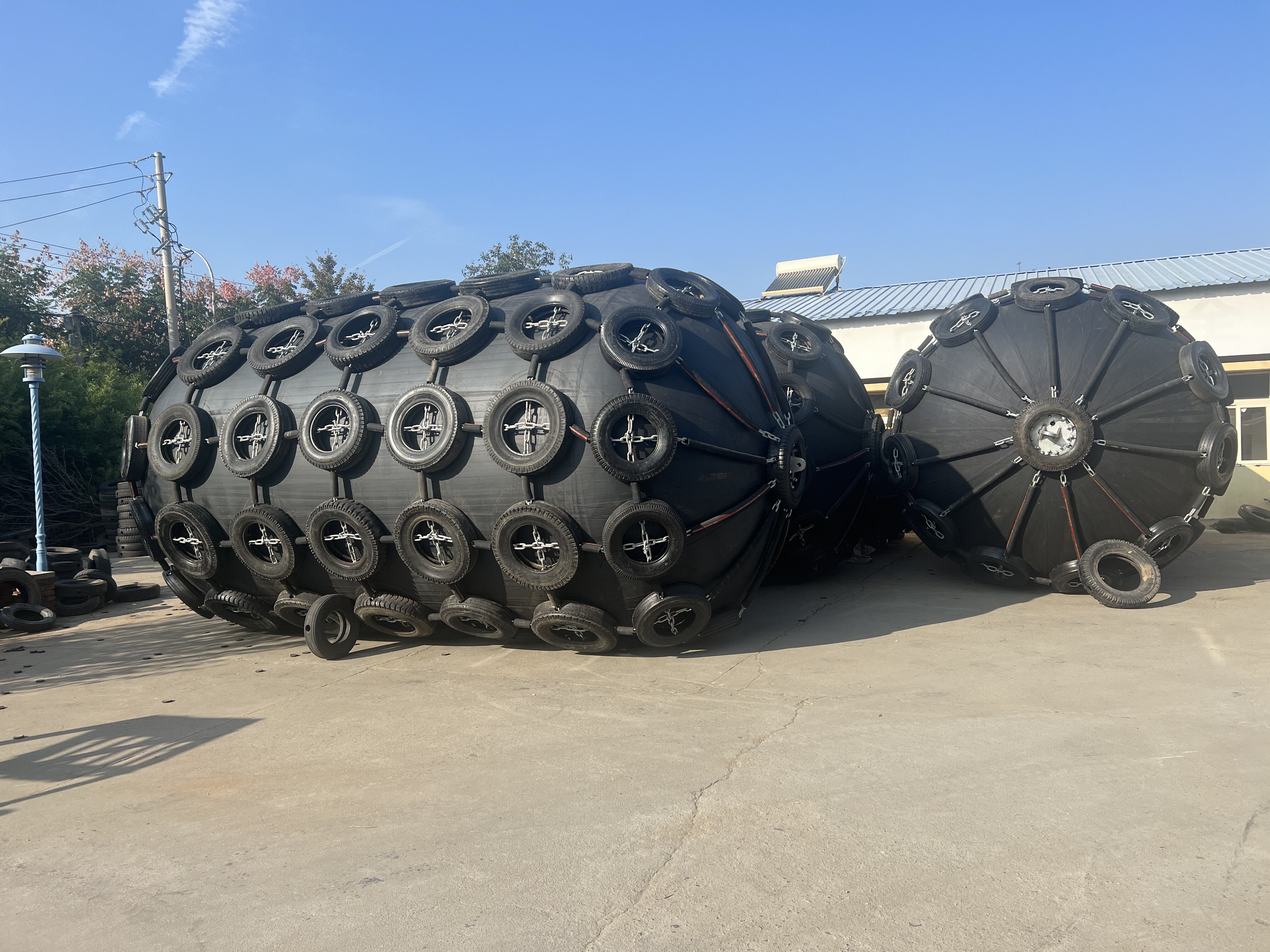
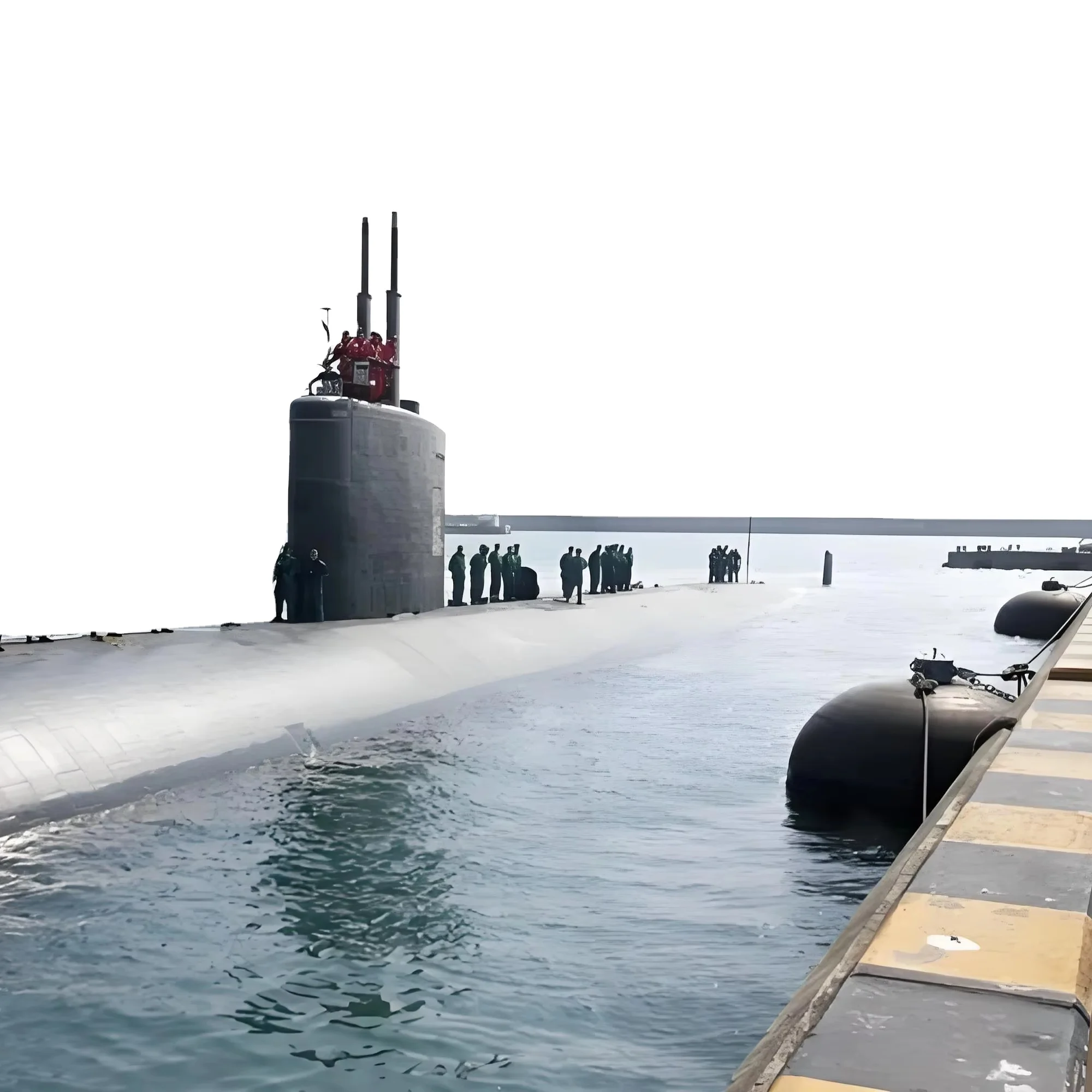
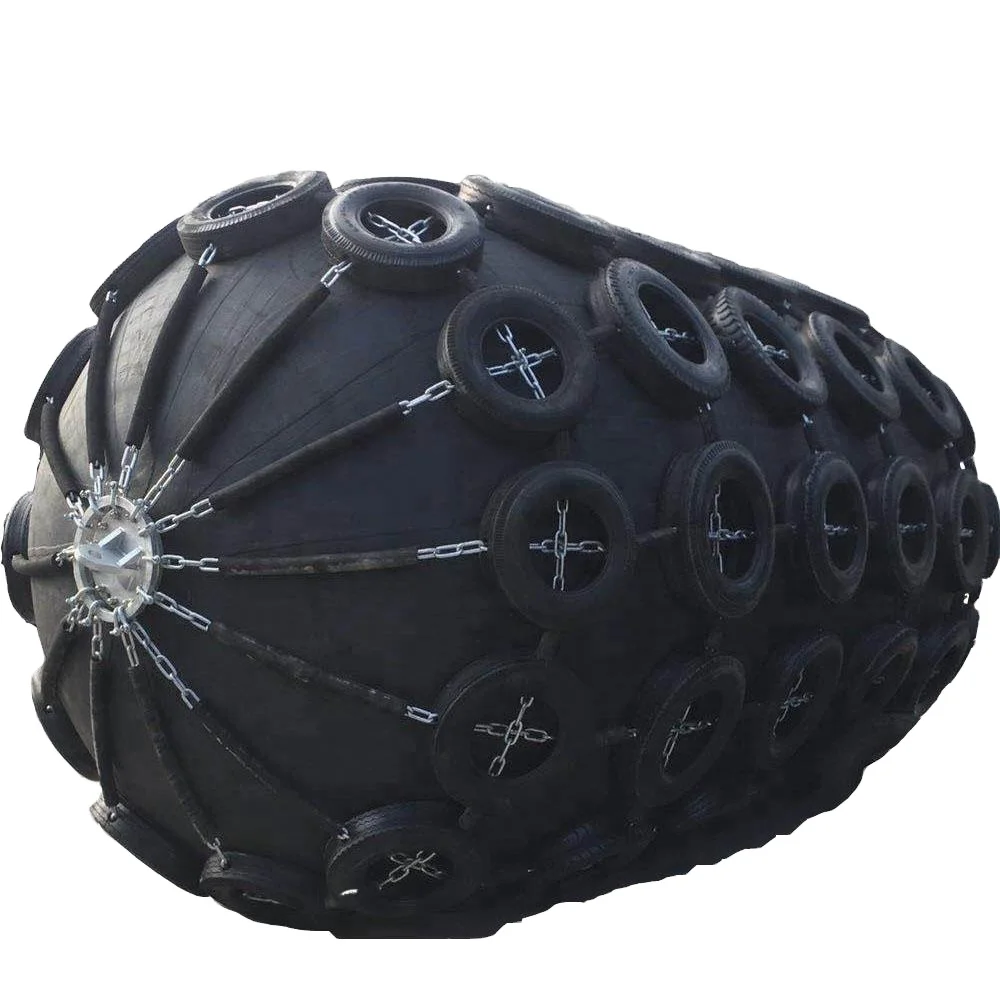
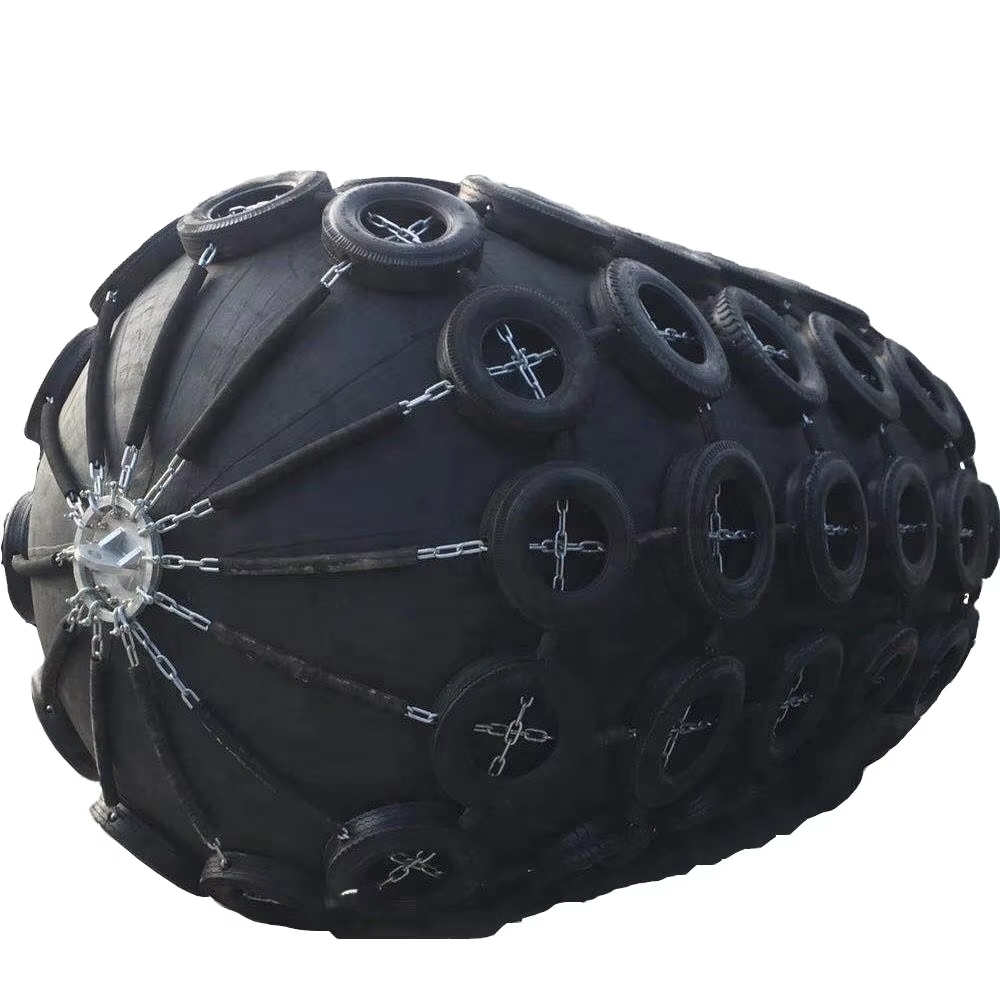
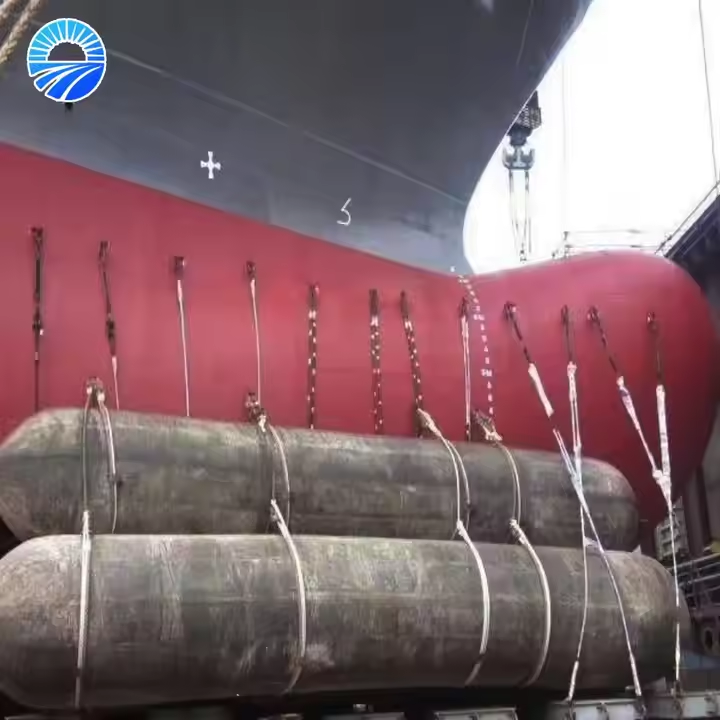
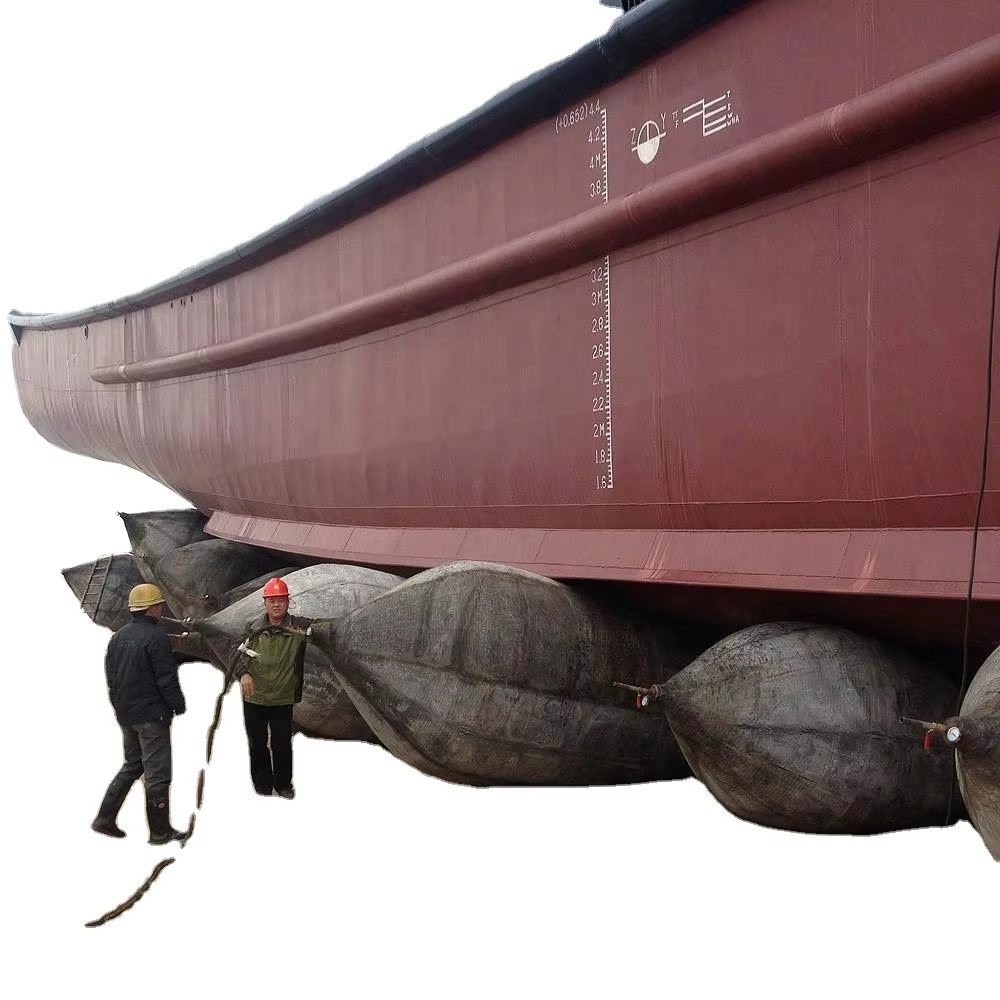
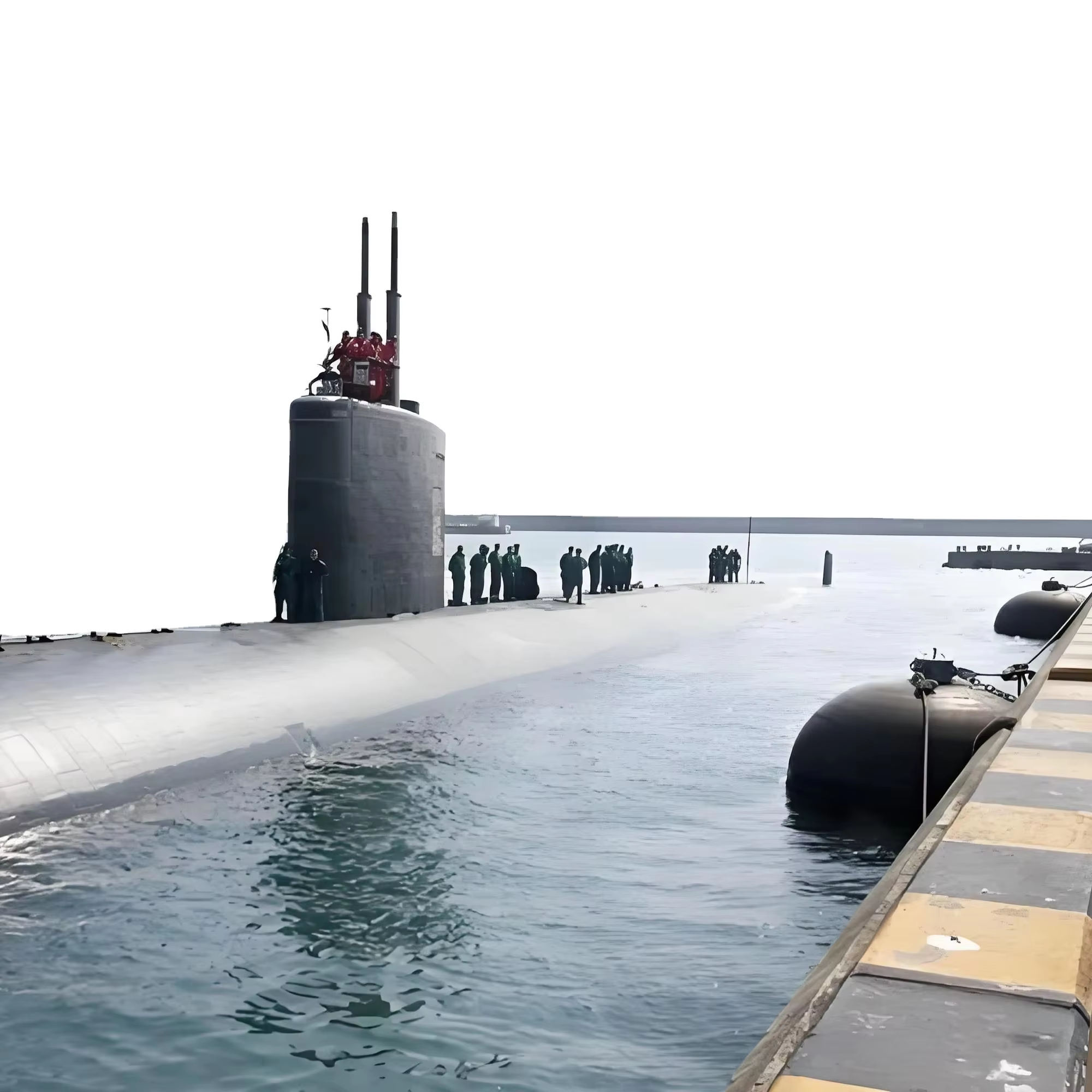
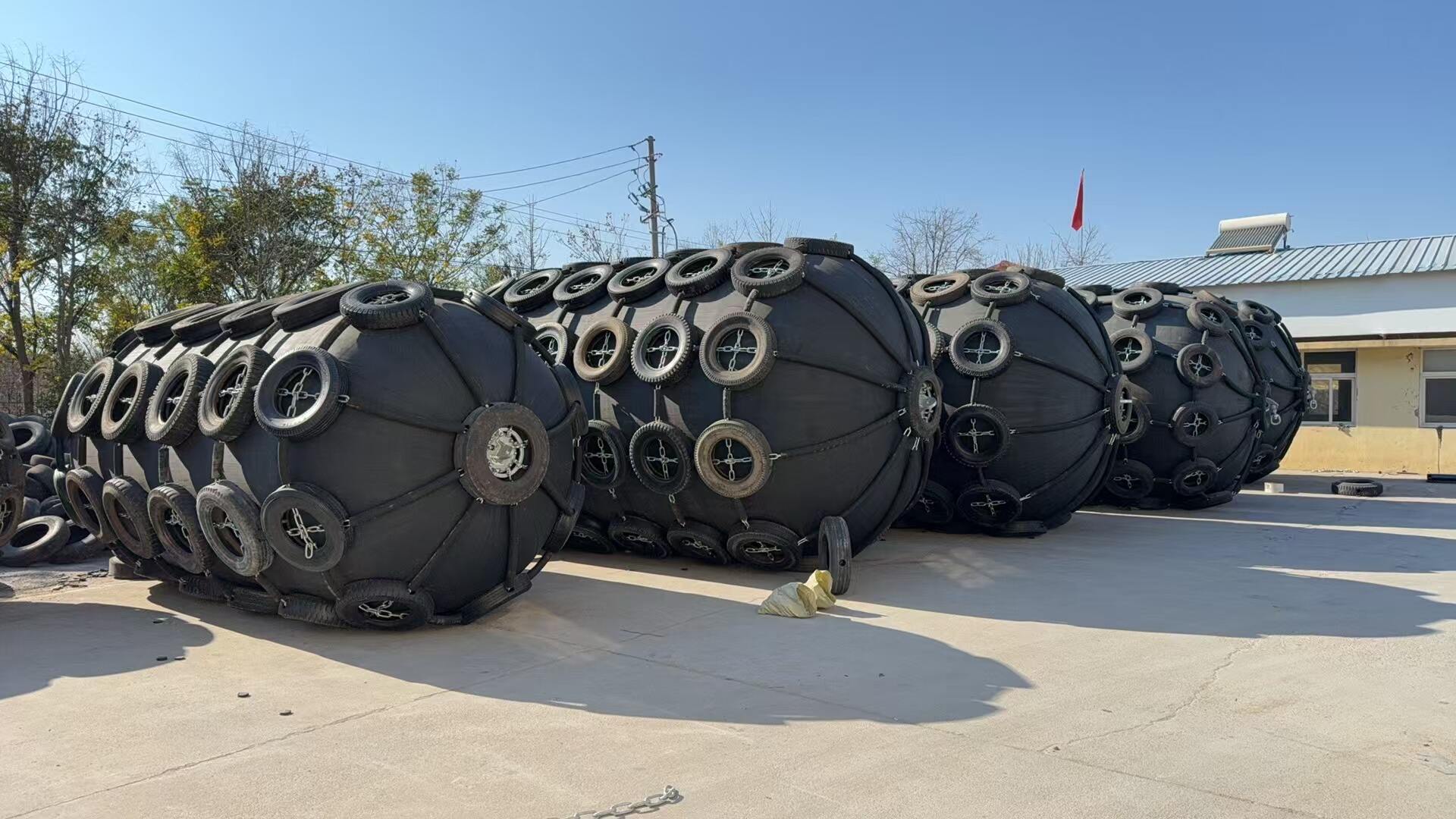
Dock fender installation contractors are specialized professionals responsible for the correct and secure implementation of marine fender systems onto docks, piers, quay walls, and other waterfront structures. Their role is critical, as even the highest quality fender will underperform or fail if installed incorrectly. These contractors work closely with fender manufacturers or as part of a full-service marine infrastructure company to translate engineering designs into physical, functional systems. Their scope begins with a thorough site survey to verify structural dimensions, mounting surface conditions, and tidal data. The installation process involves several key stages: first, preparing the mounting surface, which may involve cleaning, grinding, or installing backing frames on concrete or steel structures. Next, precisely positioning and securing the mounting panels or brackets according to the approved layout drawings, ensuring exact alignment and level. Then, attaching the rubber fender units—whether cylindrical, D-shaped, cell, or pneumatic—using specified bolts, chains, or shackles, with careful attention to torque settings and corrosion protection for all metalwork. For complex systems or super-sized fenders, specialized lifting equipment and marine access platforms may be required. Professional contractors also ensure that all components, including anti-climb features and wear indicators, are correctly fitted. Their expertise ensures that the fender system functions as engineered, providing uniform energy absorption across the vessel's contact area. They adhere to strict safety protocols for working over water and at height. Choosing an experienced dock fender installation contractor is paramount for port authorities, terminal operators, and marina developers. Key selection criteria include a proven project portfolio, certified personnel (for welding, rigging, etc.), familiarity with various fender brands and types, and the ability to provide detailed method statements and risk assessments. A professional contractor guarantees that the installed system meets design specifications, delivers long-term reliability, and ultimately protects valuable maritime infrastructure and vessels. For comprehensive project implementation, from design consultation to final installation and commissioning, engaging a qualified contractor is a necessary step.
 EN
EN