
Qingdao Hangshuo Marine Products Co.,Ltd.

Get a Free Quote

Our representative will contact you soon.
Email
Mobile/WhatsApp
Name
Company Name
Message
0/1000
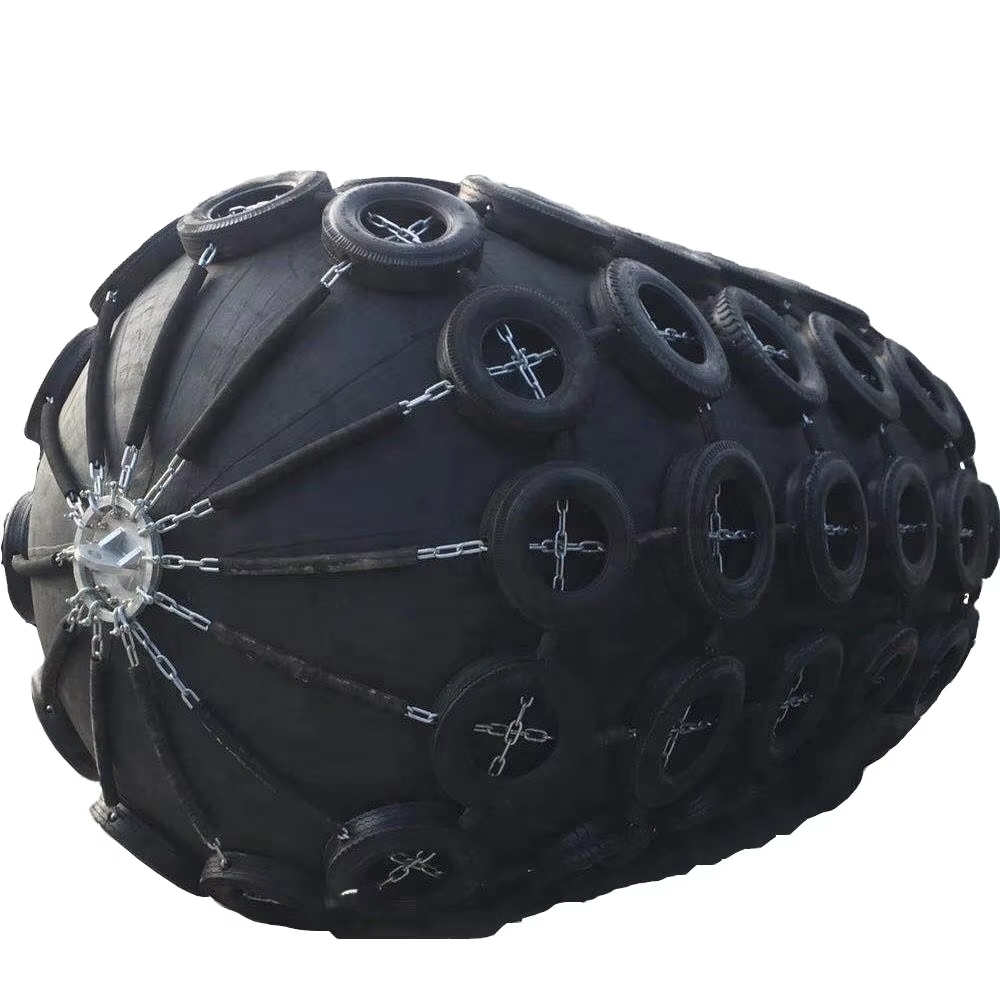
Ship Landing Airbag: Aid for Unconventional Landings

Ship Landing Airbag: Aid for Unconventional Landings

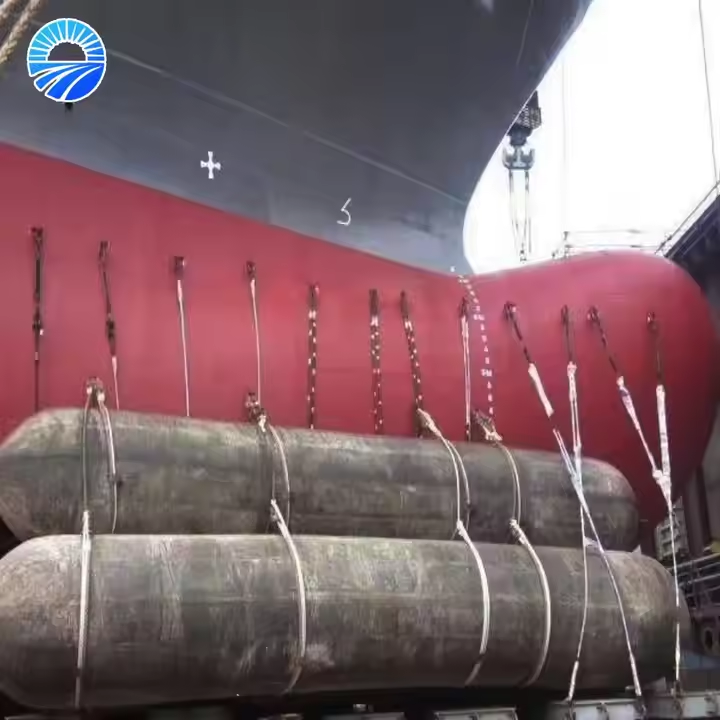
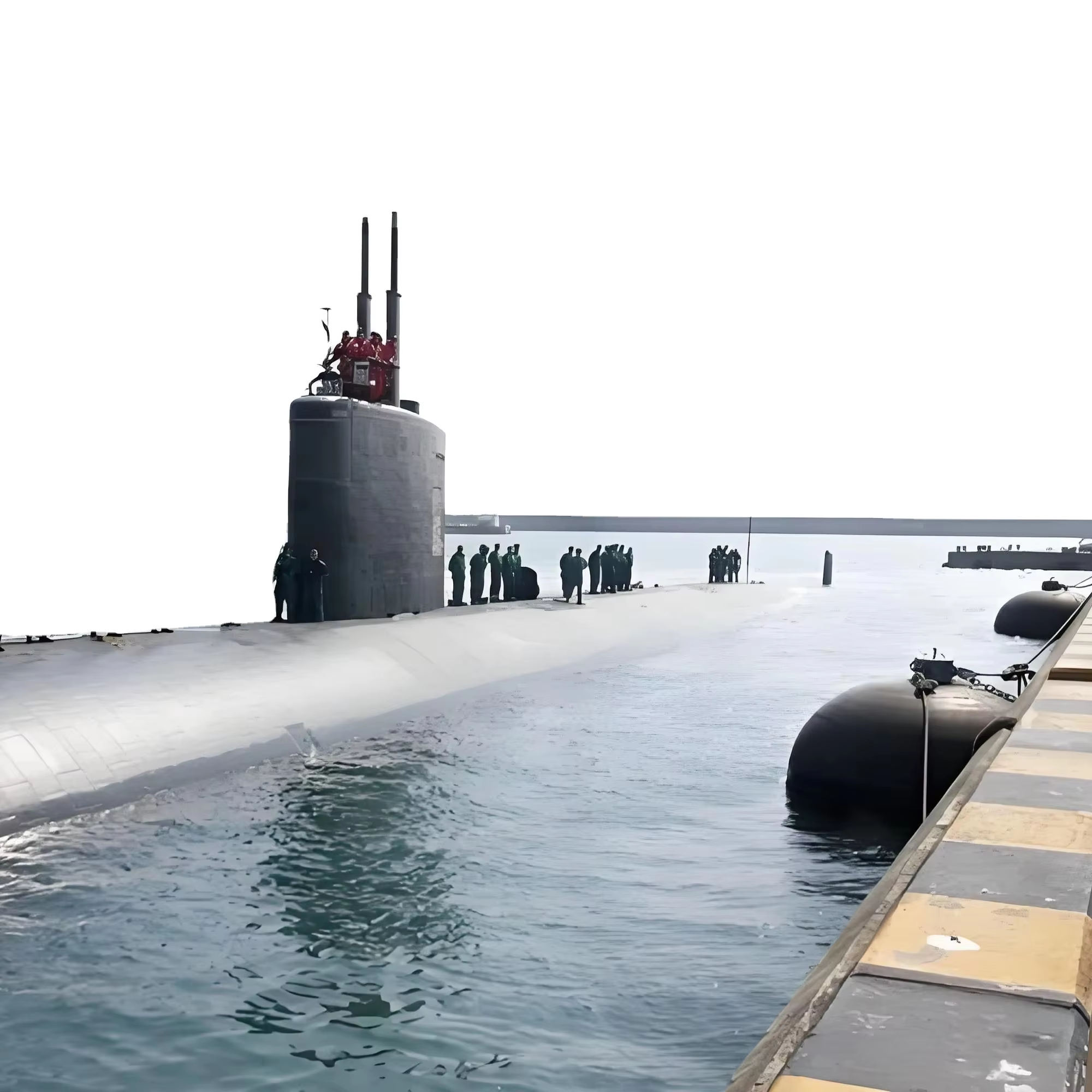
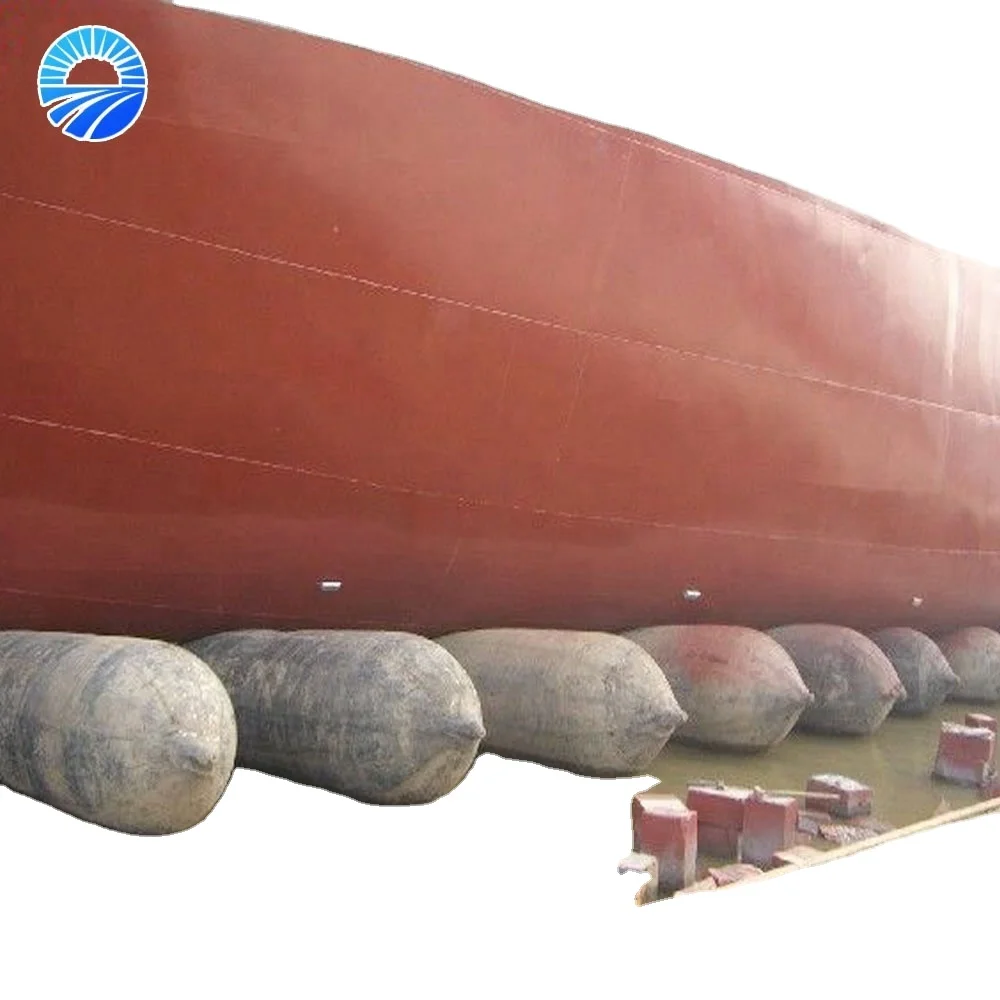
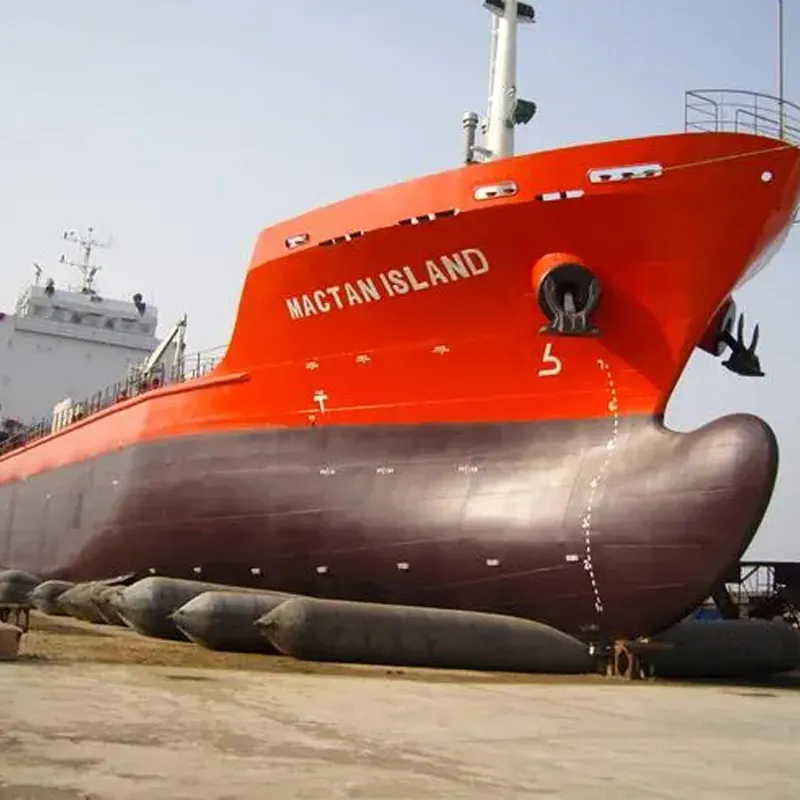
A ship landing airbag is used when a ship lands at a place unsuitable for regular berthing, such as a shoal or beach. It is placed between the ship's bottom and the shore to provide buffering and support, helping the ship land safely. For example, during military operations, it can assist a military vessel in landing on the beach. It enables ships to land in challenging environments.
Get A Quote

Advantages of the product

Easy Deployment

Ship landing airbags are easy to deploy quickly, enabling rapid response in situations where a ship needs to land in an emergency or in a non - standard location.

Reusable and Durable

These airbags are designed to be reused multiple times, with durable materials that can withstand the stress of ship landing operations, offering long - term value.

Related products

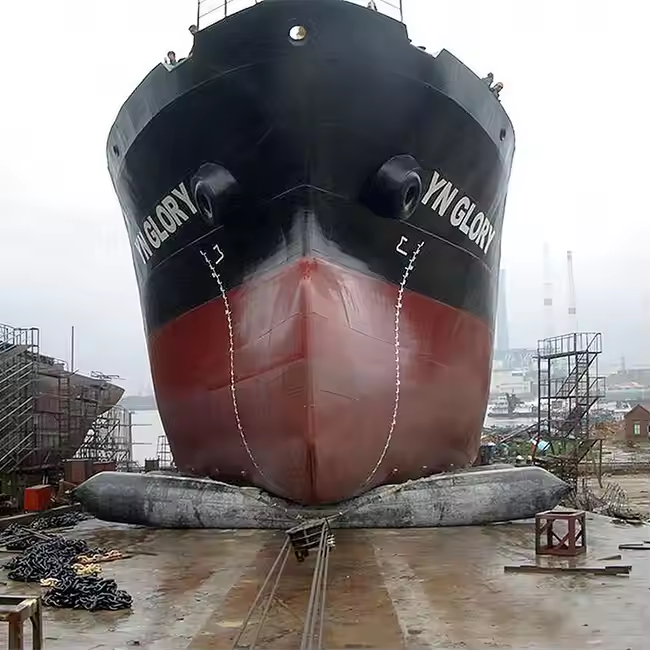
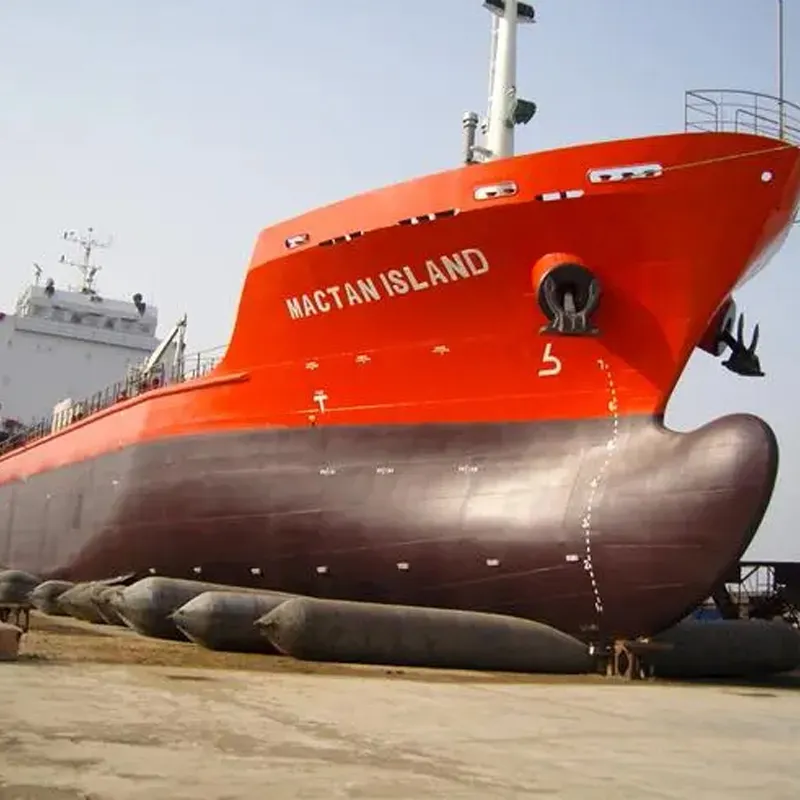
Shipyard launching airbag installation is a highly technical and meticulously planned operation that transforms the theoretical safety of the airbags into practical, successful vessel launch. It is a core service offered by leading marine airbag manufacturers and is far more than merely placing bags under a hull. The process begins well before the launch day with a comprehensive site and vessel assessment. Engineers analyze the vessel's weight distribution, center of gravity, hull shape, and strength, alongside the yard's ground conditions, tide levels, and launch path gradient. Using this data, a detailed technical drawing and launch procedure are developed, specifying the exact number, positioning, orientation, and inflation sequence of the airbags. The installation phase involves preparing the ground surface to remove sharp objects, laying protective geotextile fabrics, and precisely positioning the deflated airbags according to the plan. Inflation is a critical stage, conducted using high-capacity air compressors with precise pressure monitoring. Pressure must be uniform and gradually increased across all bags to ensure the vessel's weight is evenly transferred from its construction blocks. Technicians constantly monitor for any shifting or irregular deformation. The actual launch involves a controlled, sequential deflation—often starting from the stern—to create a gentle, sloping pathway for the vessel to enter the water. Safety protocols are extreme, with exclusion zones and contingency plans for potential bag rupture or vessel stick. Reputable manufacturers with decades of experience, like those certified to ISO 9001, typically provide on-site installation supervision or full turnkey services. Their expertise ensures that variables like friction, roll stability, and side containment are perfectly managed. This professional installation is crucial for the safety of personnel and the vessel, protecting a shipyard's multimillion-dollar asset. For any shipyard considering or planning an airbag launch, direct consultation with these specialist contractors is indispensable to develop a project-specific, risk-mitigated installation plan.

Common problem

When are ship landing airbags used?

Ship landing airbags are used when ships need to land at unconventional sites like beaches or shoals, providing cushioning and support for a safe landing.
Yes, ship landing airbags are reusable. After use, they can be deflated, inspected, and stored for future landing operations.
Yes, ship landing airbags can support large ships. Multiple airbags can be used together, and their design allows them to handle significant weights.

Related article

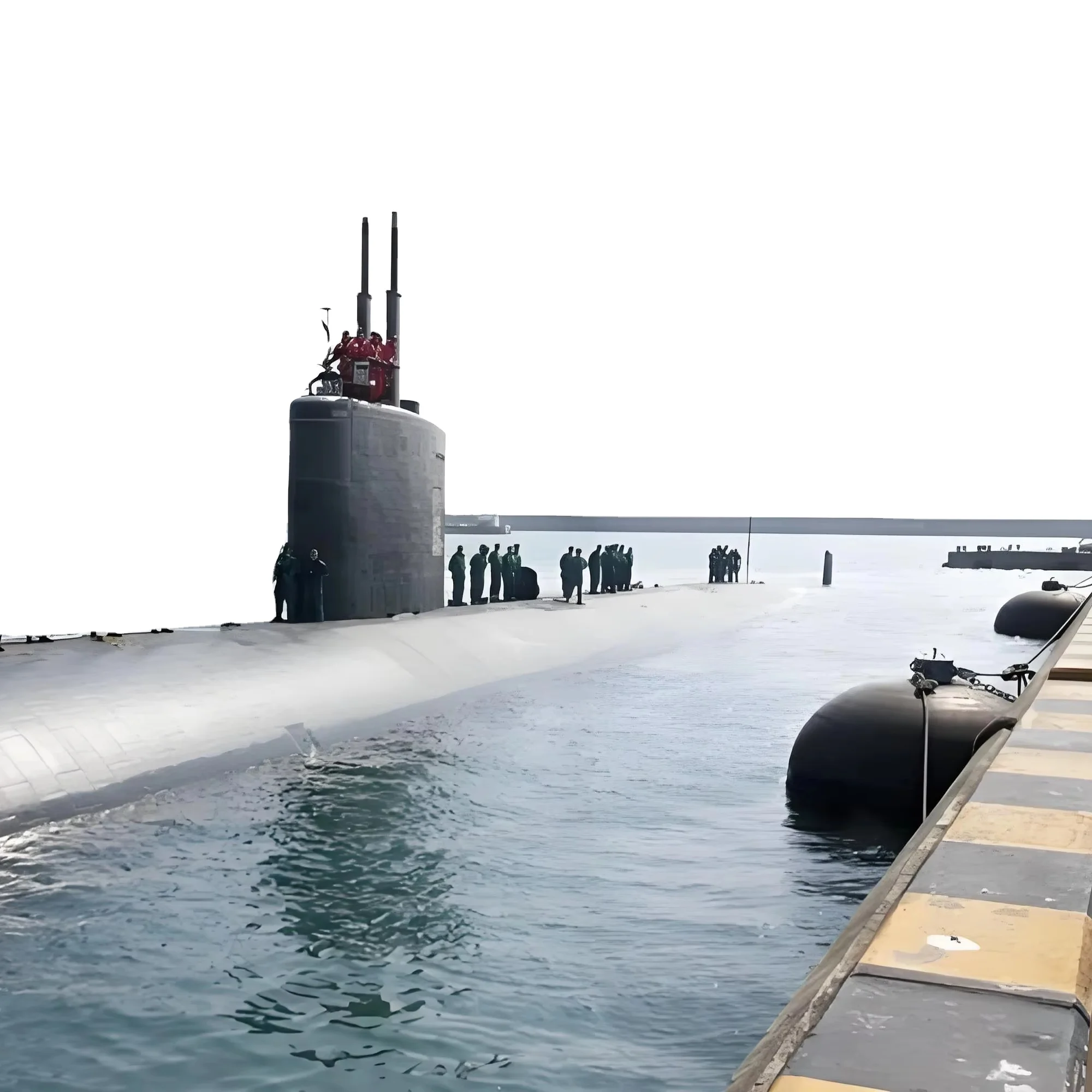
How Submarine Fenders Prevent Underwater Structural Damage

28

Apr

How Submarine Fenders Prevent Underwater Structural Damage

Understanding Submarine Fenders and Their Role What Are Submarine Fenders? Submarine fenders serve as protective gear specifically built to take the brunt of underwater collisions and reduce damage from impacts. These devices help protect subs and ...
View More
Ship Salvage Airbags: Emergency Solutions for Vessel Recovery Missions

28

Apr

Ship Salvage Airbags: Emergency Solutions for Vessel Recovery Missions

How Ship Salvage Airbags Enable Emergency Vessel Recovery Buoyancy Mechanics in Crisis Scenarios Getting a handle on how buoyancy works matters a lot when trying to recover boats in emergencies. The marine salvage airbags work based on what Archime...
View More
Why Rubber Marine Fenders Outperform Traditional Steel Bumpers

28

Apr

Why Rubber Marine Fenders Outperform Traditional Steel Bumpers

The Limitations of Traditional Steel Bumpers Susceptibility to Corrosion and Rust Steel bumpers on boats just aren't built to last forever, especially around water. When these metal parts get wet and salty from seawater, they start corroding pretty...
View More
How Pneumatic Rubber Fenders Protect Ships During Offshore Mooring

28

Apr

How Pneumatic Rubber Fenders Protect Ships During Offshore Mooring

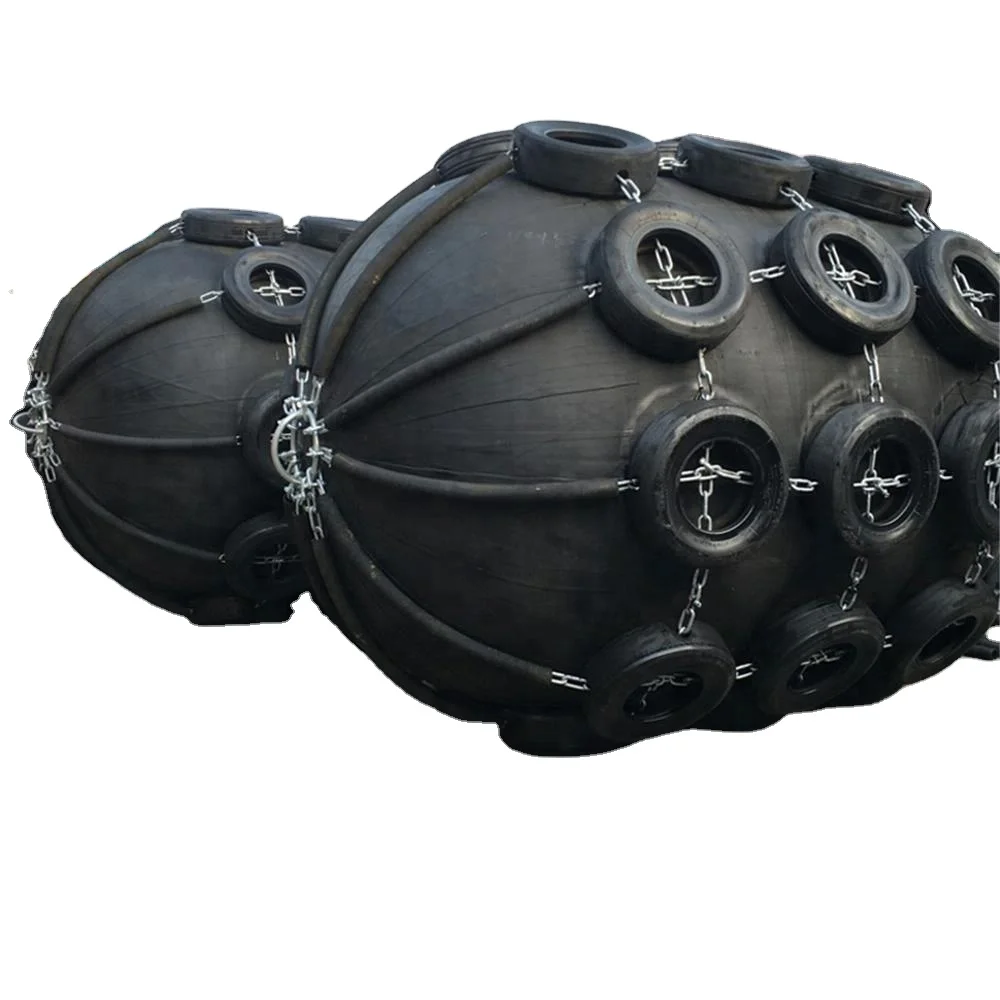
How Pneumatic Rubber Fenders Absorb Impact Energy Structure and Material Composition Pneumatic rubber fenders have a solid build featuring tough rubber materials backed by synthetic fibers for extra strength. The outer shell consists of heavy duty ...
View More

Customer Reviews

River

The ship landing airbags helped our military vessel land safely on the beach. They provided excellent cushioning and support.

Liam

They performed well in tough landing conditions, ensuring the safety of our ship. Highly recommend!

Get a Free Quote

Our representative will contact you soon.
Email
Name
Company Name
Message
0/1000
Cost - effective Alternative

Cost - effective Alternative

For certain operations, using ship landing airbags is a more cost - effective option compared to building specialized landing infrastructure, saving significant costs.

Get a Free Quote

Our representative will contact you soon.
Email
Mobile/WhatsApp
Name
Company Name
Message
0/1000