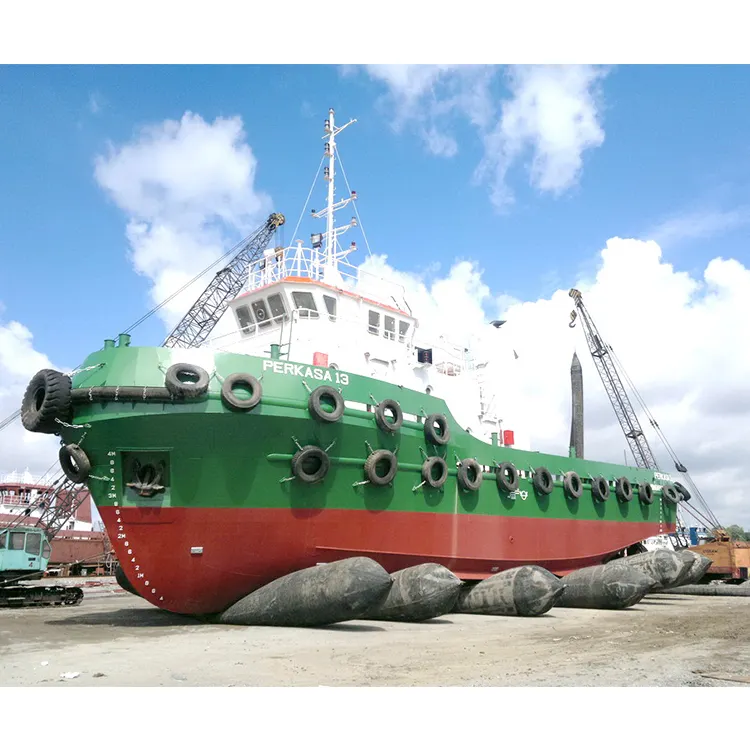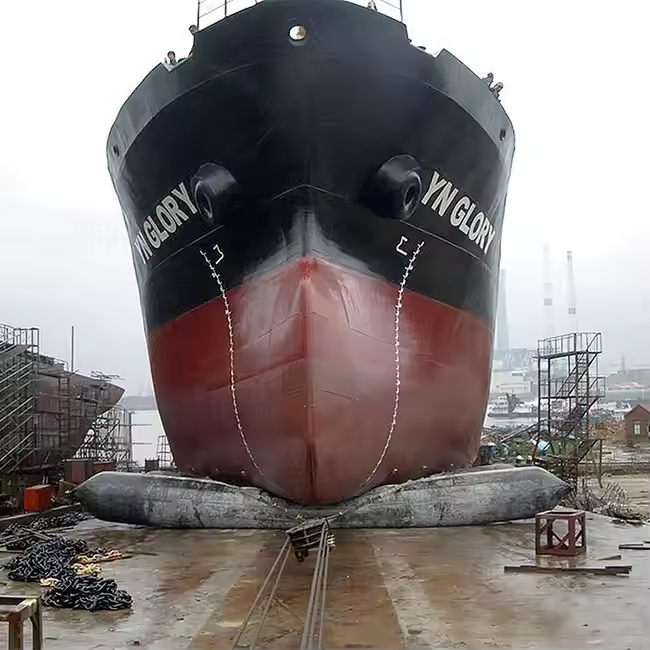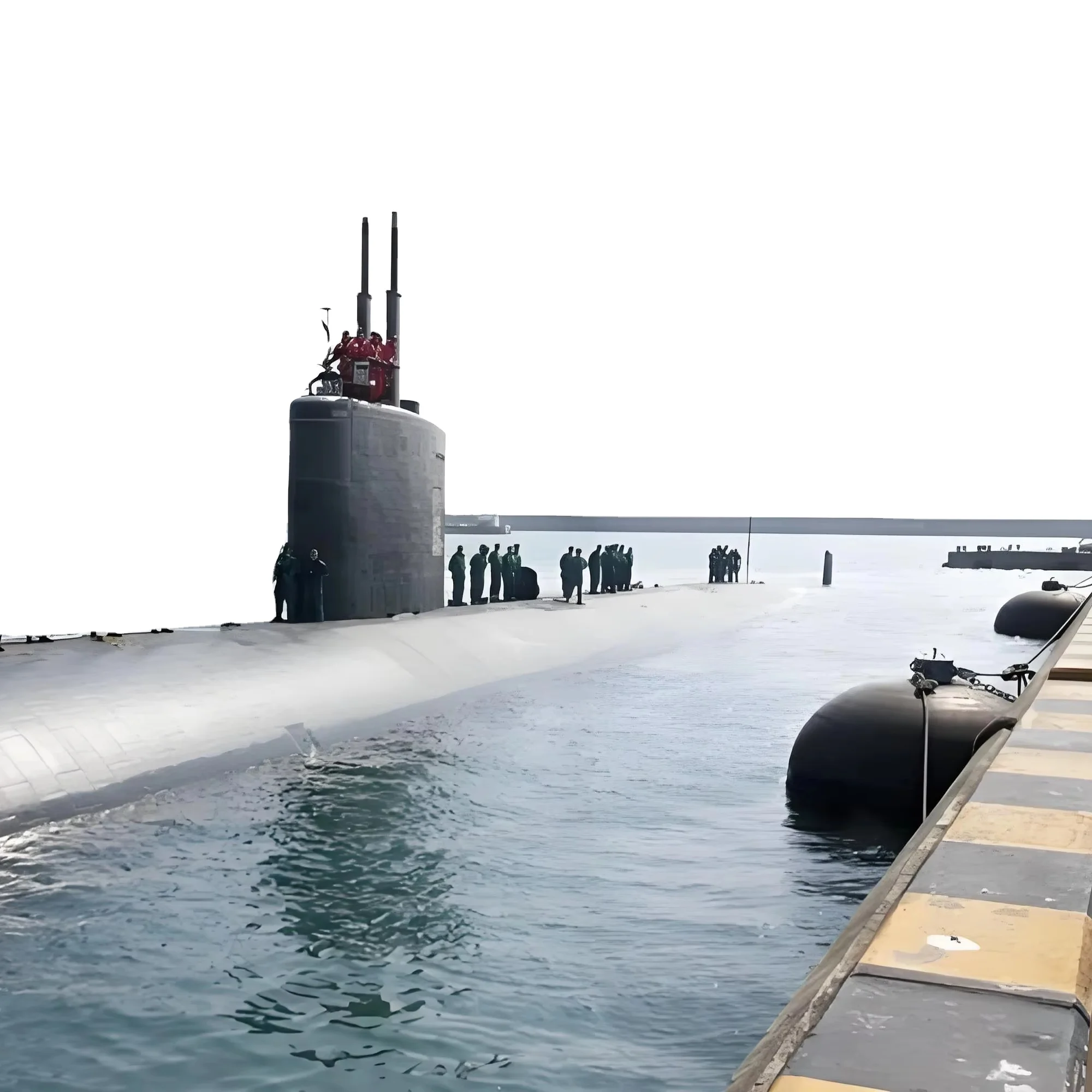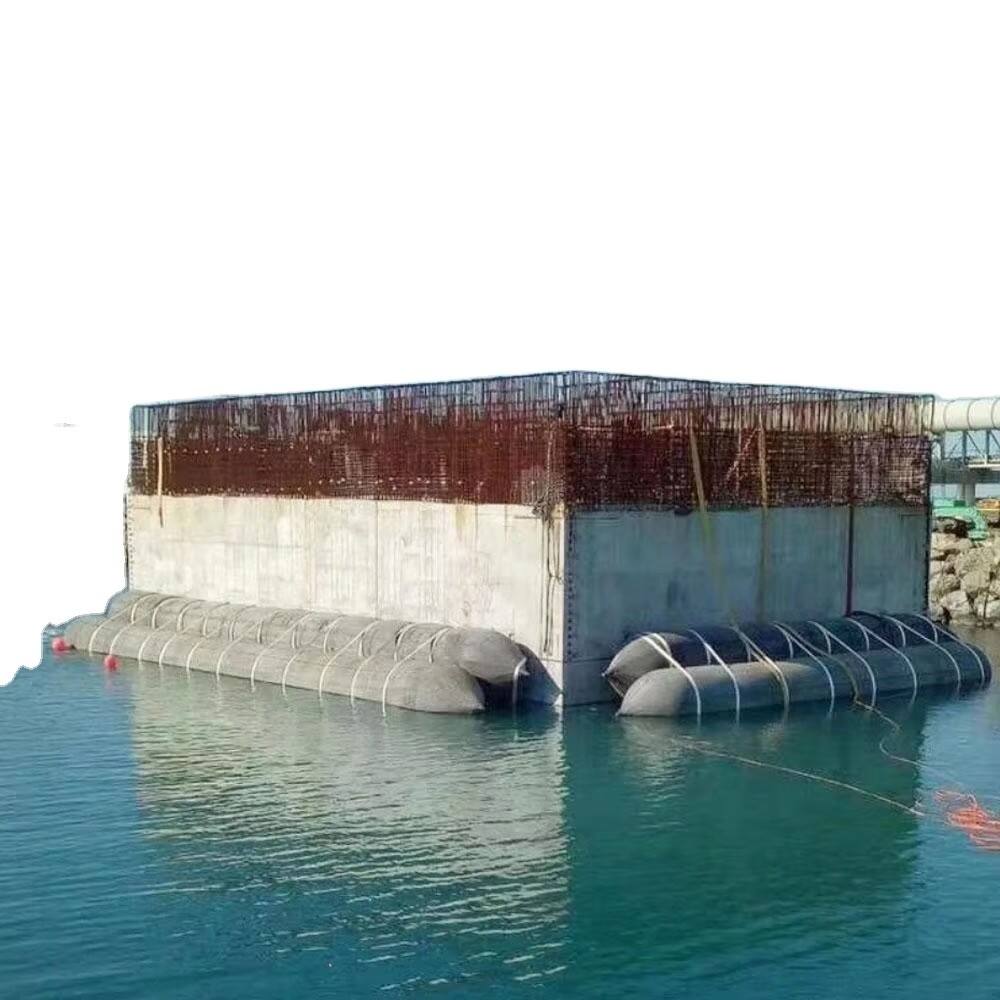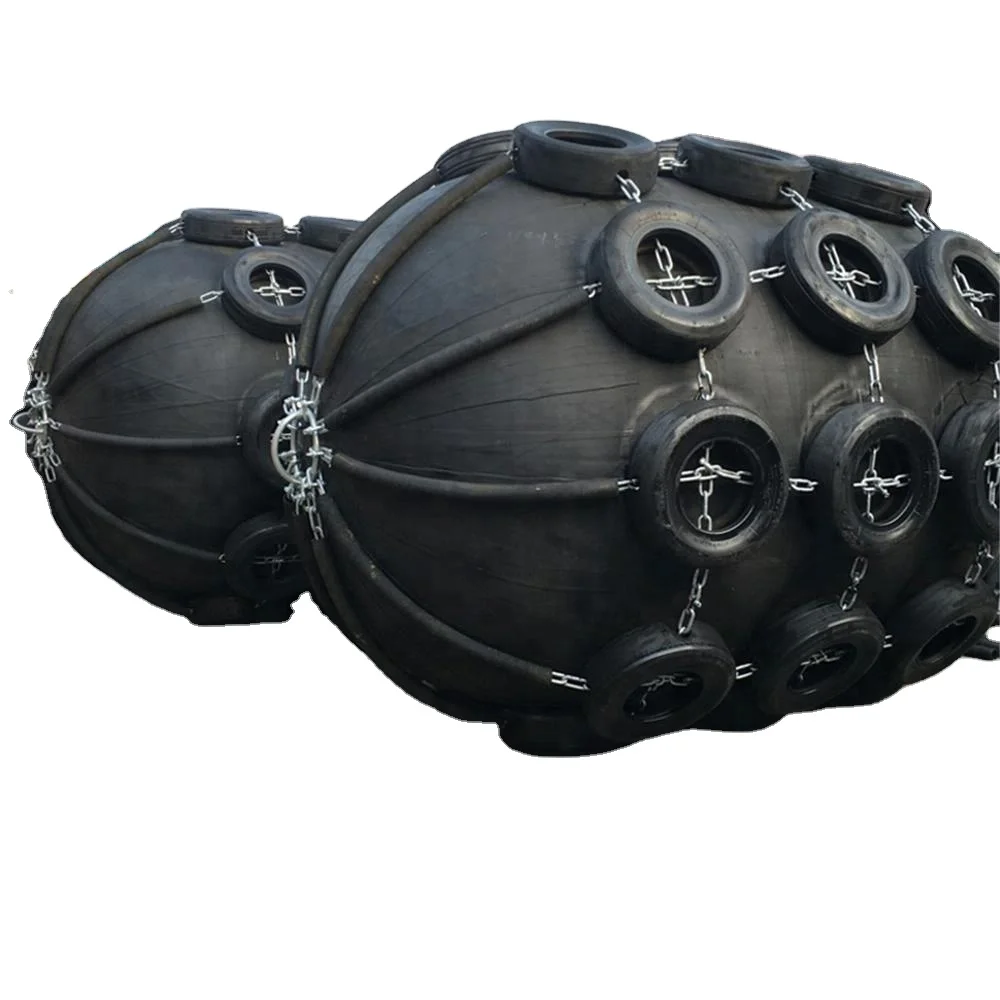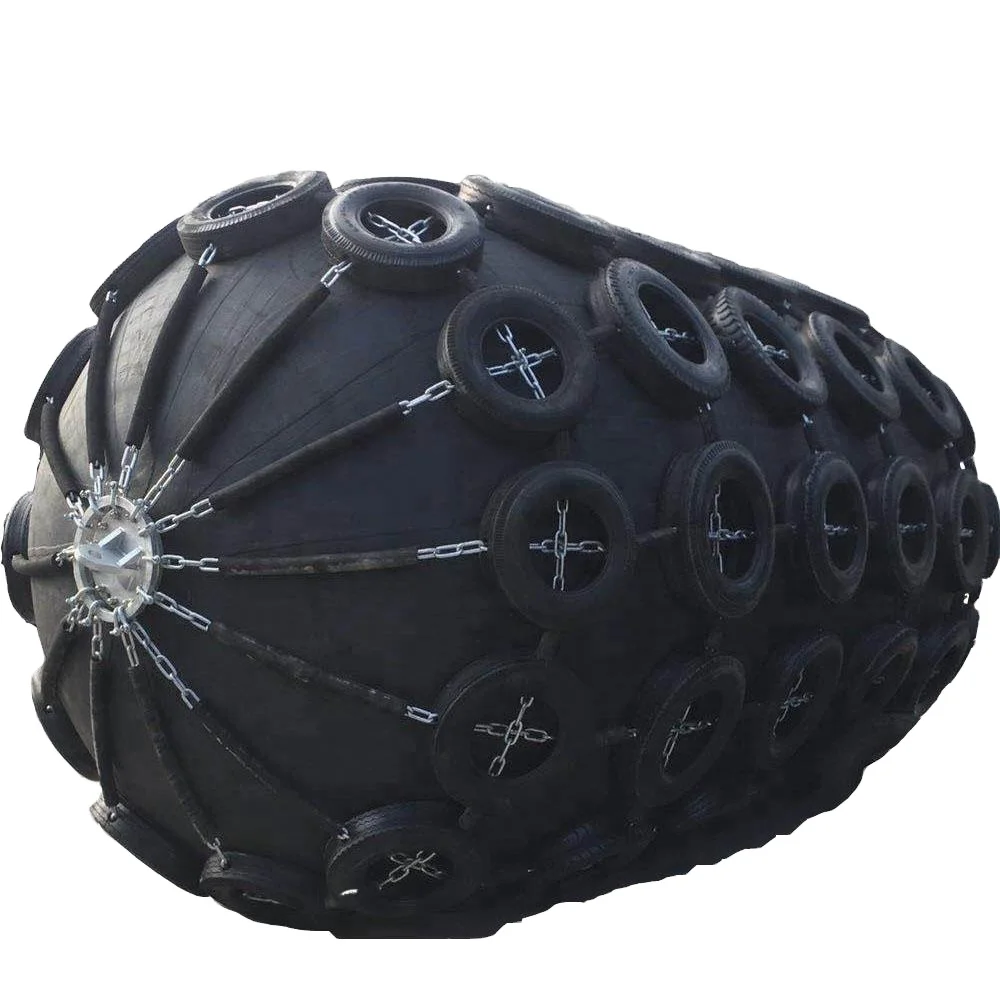
The ISO 17357:2014 standard lays out what's needed for building and operating those pneumatic rubber fenders we see in ports around the world. According to the specs, manufacturers need to reinforce these fenders with multiple layers of synthetic tire cords sandwiched between rubber sheets. This setup keeps the structure intact even when compressed repeatedly over time. There are basically two types of fenders covered by this standard: Type I which comes with protective nets, and Type II that has slings attached instead. Each type needs different bead ring reinforcements depending on how they'll be used. When it comes to pressure settings, there's no room for guesswork here – initial internal pressure has to be exactly 50 kPa or 80 kPa. Performance tests also require at least 97% rebound capability and absolutely no air leaks detected after going through standard compression cycles. Before any product hits the market, all these requirements have to pass rigorous testing in certified labs first.
The ISO 17357:2014 standard sets measurable targets for three key areas that work together: how much energy gets absorbed, what kind of force is exerted back, and how long things last over time. When ships dock at ports, the energy they bring with them needs to be safely dissipated so neither the ship nor the dock gets damaged. That's where energy absorption comes in. The reaction force aspect makes sure nothing breaks when vessels actually make contact with the fenders. For durability testing, these products go through thousands of compression tests while carrying weight. According to field data from marine engineers, most fenders following this standard still perform around 90% as well as new ones even after ten years in service. What's interesting is how the math behind this standard connects the physical shape of fenders to their actual performance on paper, which helps planners make better decisions about port infrastructure and manage risks associated with docking operations.
To meet compliance standards, products need thorough checks by independent experts covering three main tests. For hydrostatic pressure testing, fenders are put under pressure equal to 1.5 times their normal operating level for half an hour. This helps check if seams hold up and whether they stay inflated properly. Then there's cyclic compression testing where we look at how well materials retain energy after being compressed repeatedly at 50%. This basically simulates what happens over many years of regular use. Ozone resistance testing involves placing sample materials in environments with 50 parts per hundred million ozone concentration while maintaining temperatures around 40 degrees Celsius for four full days. This process reveals any surface cracks that might develop over time and affect how resistant the material remains to weathering. These tests recreate harsh conditions found in reality too, like when equipment gets soaked in salt water or experiences temperature swings ranging from minus 25 degrees all the way up to plus 70 degrees Celsius.
There are real safety concerns when companies rely on self-certification. Industry checks have found that around one third (32%) of fenders claimed to meet ISO 17357 standards actually fail important compression tests when checked independently. True compliance means getting certified through proper channels like DNV, American Bureau of Shipping (ABS), or Lloyd's Register (LR). These organizations don't just rubber stamp things; they actually check where materials come from, look at how products are made, and verify test results on prototypes. Boat operators need to ask for those original test reports with dates and official lab seals stamped right on them. Taking this extra step helps prevent disasters caused by poor quality materials or manufacturing inconsistencies down the road. After all, nobody wants their vessel damaged because someone cut corners on paperwork instead of actual testing.
The CCS (China Classification Society) Type Approval process offers comprehensive third party supervision for pneumatic rubber fender development from start to finish. When looking at initial designs, engineers check how well the structural calculations hold up against those powerful wave impacts through detailed hydrostatic analysis. Then comes something pretty important too: unexpected visits to factories where they look at how materials get tracked and examine all the quality control paperwork according to standards like ISO 9001's section on product realization. Throughout actual manufacturing, CCS representatives are on site watching the compression tests happen, making sure the right mix of elastomers goes into each batch, and checking those detailed records about vulcanization for every single production run before finally putting their official seal of approval on everything.
ISO 17357:2014 establishes the basic performance standards, but the China Classification Society (CCS) has taken things further with specific improvements needed for ships. The CCS requirements include better tear resistance when dealing with ice conditions and require chain nets as reinforcement in those multi-cell design structures. These changes came about because engineers noticed problems during typhoon situations where regular fender systems started coming apart at seams when pushed past their normal limits by about 30%. Another important difference is that CCS wants proof that corrosion protection works properly on all internal steel parts inside these structures. This aspect of long term durability simply wasn't covered at all in the original ISO 17357 standard from what I've seen in actual shipyards around Asia.
The ISO 9001:2015 standard basically forms the foundation for making pneumatic rubber fenders consistently across different production runs. Let's talk about clause 8.5.2 first. This part insists on complete traceability from where the natural rubber comes from all the way through the cord fabric lots until we get to the final product assembly line. When something goes wrong, this system makes it much easier to figure out exactly what went off track. Then there's clause 8.6 which lays down requirements for several inspection stages during manufacturing. We check the thickness before vulcanizing, test pressures after curing is done, and also validate how well these products resist ozone damage according to standards set by ISO 17357. Manufacturers who follow these certified processes tend to see around 32 percent reduction in defects when looking at critical areas like seams holding together properly and whether they absorb impact forces consistently throughout their lifespan.
Robust documentation is non-negotiable for compliance. Manufacturers must maintain and provide upon request:
Third-party auditors cross-reference these records with physical units during annual surveillance. This documentation trail is essential during port authority assessmentsâparticularly when validating long-term energy absorption performance after 5,000+ compression cycles. Facilities without real-time data logging face heightened risk of certification suspension due to untraceable process gaps.
For pneumatic rubber fenders that really perform well, the materials have to meet strict standards. The rubber needs at least 60% natural content to maintain good elasticity. This helps them pass those tough ISO 17357:2014 tests for compression and rebound performance even when temperatures swing from minus 40 degrees Celsius all the way up to plus 70. When it comes to reinforcement fabric, we're talking about a minimum tensile strength of 200 Newtons per millimeter according to ISO 37 standards. This keeps the fender from getting permanently deformed during those heavy ship berthing operations. Testing inner tubes under hydrostatic pressure at 1.5 times their normal operating level confirms structural integrity. And ports with harsh conditions? No problem thanks to ozone resistance meeting ISO 1431 specs, which gives these fenders around 20 years of reliable service. Finally, hardness levels stay right around 60 plus or minus 5 IRHD as per ISO 48 standards. This careful control makes sure every batch comes out with similar rebound characteristics so ships get consistent protection from dock to dock.
Manufacturing excellence bridges material specification and field performance. Vulcanization is precisely controlled at 150°C ±3°C using automated monitoring to eliminate under-curing. Each production phase incorporates:
This integrated approach reduces defect rates to below 0.2% and maintains dimensional tolerances within ±1.5% of ISO 17357 specifications. Continuous tensile testing of cured rubber samples (per ISO 37) confirms elongation consistently above 450%, directly correlating to 30% longer service cycles compared to non-certified alternatives.
What is the ISO 17357 standard?
The ISO 17357 standard specifies requirements for building and operating pneumatic rubber fenders that are commonly used in ports worldwide.
What are the types of fenders covered under ISO 17357?
ISO 17357 covers two types of fenders: Type I with protective nets and Type II with slings attached.
What ensures the reliability of pneumatic rubber fenders?
The reliability is ensured by compliance with ISO standards, rigorous testing, and third-party verification through organizations like DNV, ABS, or LR.
What is the role of the China Classification Society (CCS) in ensuring maritime safety?
CCS provides third-party supervision, ensuring safety through design reviews, factory audits, and production inspections.
 Hot News
Copyright © 2025 by Qingdao Hangshuo Marine Products Co.,Ltd. — Privacy Policy
 EN
EN