 EN
EN


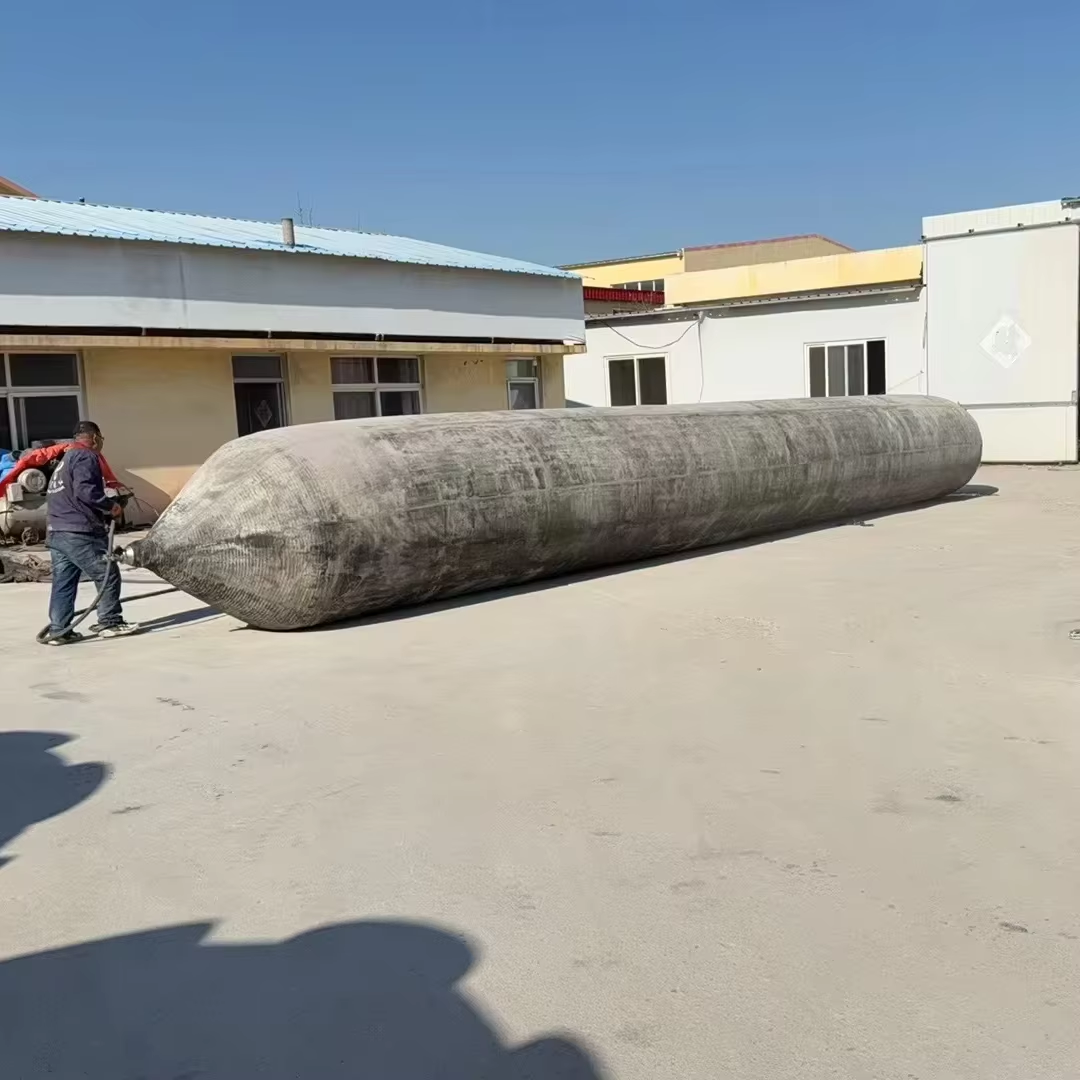
Understanding the Importance of Marine Rubber Airbag Airtightness
Marine rubber airbags are essential safety components in ship launching operations, where airtightness directly affects operational success and crew safety. Ensuring their integrity guarantees reliable performance under extreme pressure conditions.
What Is Marine Rubber Airbag Airtightness Testing?
Airtightness testing involves inflating marine rubber airbags to manufacturer-specified pressure levels and monitoring for pressure loss over time. This process detects micro-tears, seam weaknesses, or valve leaks that could compromise performance during vessel launches. Modern protocols require maintaining inflation for 8–12 hours while tracking pressure fluctuations as small as 0.5 PSI.
Why Airtightness Is Critical in Ship Launching Operations
During ship launches, airbags support up to 90% of a vessel's weight (Naval Engineering Journal 2023). Even minor leaks—such as a 3% pressure loss per hour—can disrupt load distribution, leading to:
- Hull misalignment during descent
- Increased slipway friction (up to 45%)
- Buoyancy imbalance at water entry
Properly sealed airbags maintain consistent contact pressure between the vessel and slipway, reducing structural stress by 30–40% compared to compromised units.
Key Risks of Using Airbags with Compromised Integrity
| Risk Factor | Consequence | Mitigation Requirement |
|---|---|---|
| Undetected pinhole leaks | Gradual deflation during critical phase | Pre-launch pressure stabilization |
| Valve seal degradation | Rapid pressure loss (<5 minutes) | Dual-valve redundancy checks |
| Fabric layer separation | Catastrophic failure at 70%+ capacity | Post-repair infrared scanning |
Field studies show 68% of airbag-related launch incidents stem from inadequate airtightness verification (Maritime Safety Board 2022). Testing aligned with ISO 14409 standards reduces failure rates by 83% compared to visual-only inspections.
Standard Airtightness Testing Procedures for Marine Rubber Airbags
Following standardized procedures enhances the reliability of marine rubber airbag testing. Adherence to ISO 14409 guidelines reduces failure risks by 47% compared to non-standardized methods (Maritime Safety Institute 2023).
Step-by-Step Pressure Testing of Ship Launching Airbags
First things first, give the airbag surface a good clean to get rid of any dirt or grime that might be hiding potential leaks. Start inflating it up to about half of what it's supposed to handle for those initial checks on whether everything is sealed properly. After that, slowly work the pressure up to 125% of its maximum rating over the course of around 15 minutes. This gives the materials time to stretch out naturally. Once at that higher level, keep it there for a full hour while taking note of the gauge readings every five minutes or so throughout the whole process.
Recommended Inflation Levels for Accurate Airtightness Tests
| Test Parameter | Specification | Purpose |
|---|---|---|
| Baseline Inflation | 50% working pressure | Initial leak detection |
| Test Pressure | 125% working pressure | Structural stress evaluation |
| Safety Threshold | 110% working pressure | Preventing overinflation damage |
Exceeding 110% working pressure during routine inspections can cause permanent deformation of reinforcing cords.
Holding Time and Pressure Stabilization Guidelines
Allow 15 minutes after reaching target pressure for thermal stabilization before starting the 1-hour test window. Temperature fluctuations account for 72% of initial pressure variations in marine environments (Naval Engineering Journal 2023). Conduct tests within an ambient temperature range of 10°C–35°C for accurate results.
Recording and Interpreting Pressure Loss Data
Use calibrated sensors with ±0.5% accuracy to record pressure values. Calculate percentage loss using:
(Initial Pressure − Final Pressure) × Initial Pressure – 100
Airbags exhibiting more than 5% pressure drop within 60 minutes must undergo full diagnostic inspection per IMO MSC.1/Circ.1496 standards.
Visual and Advanced Leak Detection Methods for Marine Airbags
Conducting a Pre-Inflation Visual Inspection
Begin airtightness verification with a thorough visual inspection under bright lighting. Look for abrasions, cracks, or uneven seams, focusing on high-stress areas such as folds and contact points—damage in these zones accounts for over 60% of undetected leaks in industrial surveys.
Using Soapy Water Solution to Detect Leaks
Apply soapy water to inflated airbags at 7–12 PSI. Bubbles forming within 2–3 minutes indicate leaks. While this method detects 90% of visible breaches, it requires a dry surface and is ineffective for subsurface defects.
Identifying Common Leakage Points
Primary failure locations include:
- Valve stem connections
- Reinforced seam junctions
- Areas affected by UV degradation
Industry data shows 75% of critical leaks occur within 6 inches of seams.
Infrared Imaging and Ultrasonic Techniques for Precision Leak Detection
Ultrasonic sensors detect high-frequency sounds (25–50 kHz) emitted by escaping air, identifying microscopic leaks invisible to conventional methods. Infrared thermography maps temperature differentials caused by pressurized air release. According to recent studies on industrial sealing technologies, these advanced techniques reduce false positives by 40% compared to traditional approaches.
Post-Repair Inspection and Re-Testing Protocols
Best Practices for Inspecting Marine Airbags After Repair
After repair, conduct a 360° visual inspection under natural light to identify uneven patching or residual stress. Follow standardized inspection protocols that include air port alignment checks and debris removal, which have been shown to reduce subsequent failure rates by 63%. Confirm the original inflation capacity before proceeding to pressure testing.
Validating Patch Integrity and Seam Strength
When checking repaired sections, we need to do some special validation work. Gradually increase pressure in small steps about 10% every 15 minutes while keeping an eye on how much the patch expands using those calibrated strain gauges. Critical seams demand extra attention too. Run shear strength tests at around 150% of what the system normally handles and check if the material sticks properly with those non-destructive peel tests everyone talks about. The numbers don't lie either something like 8 out of 10 failures after repairs actually come down to poor overlap where different parts meet. That's why getting those margins right matters so much for long term reliability.
Re-Testing Procedures Following Maintenance or Field Repairs
Full re-inflation tests are mandatory after any maintenance. Field-repaired units must undergo a 12-hour holding period with pressure logged every 30 minutes. Before returning to service, conduct final operational simulations at 85% of maximum rated load capacity.
Compliance, Documentation, and Best Practices for Long-Term Performance
Adhering to International and Manufacturer-Specific Inspection Standards
Operators must comply with ISO 17357-1 (2023), which specifies minimum test pressures of 1.5–2.0 times working pressure during airtightness verification. Manufacturer guidelines often exceed these requirements, particularly for airbags used in tidal zones or heavy-load applications, sometimes mandating hydrostatic testing.
Role of Certification Bodies in Ensuring Airbag Safety
Third-party organizations like Lloyds Register conduct annual recertification, verifying airbag integrity through documented testing and traceability checks. Shipyards using certified workflows report a 92% reduction in launch failures, with auditors cross-referencing pressure logs against material fatigue thresholds.
Documenting Pre-Launch Airtightness Inspections
Standardized checklists should include:
- Initial and test pressure values (psi/kPa)
- Stabilization time (+/- 5% variation over 30 minutes)
- Leak detection method used (e.g., soap solution, IR imaging)
Proper documentation reduces insurance claim disputes by 74% in maritime launch accidents (2023 study).
Routine Maintenance, Storage, and Testing Schedules
For optimal lifespan, store marine rubber airbags horizontally on padded racks at temperatures below 30°C. Re-test every 90 days during idle storage. After repairs, repeat both visual inspections and 24-hour pressure holding tests.
Training Crews on Proper Marine Rubber Airbag Inflation Checks
Shipyards that run compliance training every six months see about 63% fewer mistakes when things get tough financially. The main stuff they teach? How to calibrate those pressure gauges properly, checking if seams hold together under stress, and what to do when an airbag system starts failing. Most places now have these central systems where everything gets recorded and tracked. These platforms send out instant updates and remind folks when certifications need renewing. Makes sense really because around 40% of all airbag problems come down to simple oversight in regular maintenance checks. No one wants to be caught off guard with something that could have been prevented through proper upkeep.
FAQ
What are marine rubber airbags used for?
Marine rubber airbags are crucial components used primarily in ship launching, supporting vessels and helping to control the descent and entrance into water.
Why is airtightness testing necessary for marine airbags?
Airtightness testing is essential to identify any leaks or weaknesses that may compromise the airbag's integrity during critical operations, ensuring both operational success and equipment safety.
How often should marine rubber airbags be tested?
Routine tests should be conducted every 90 days during idle periods and full pressure holding tests should be conducted following any repairs.
What are some common leakage points in marine airbags?
Common leakage points include valve connections, reinforced seams, and areas affected by UV degradation.
Table of Contents
- Understanding the Importance of Marine Rubber Airbag Airtightness
- Standard Airtightness Testing Procedures for Marine Rubber Airbags
- Visual and Advanced Leak Detection Methods for Marine Airbags
- Post-Repair Inspection and Re-Testing Protocols
- Compliance, Documentation, and Best Practices for Long-Term Performance
- FAQ