 EN
EN


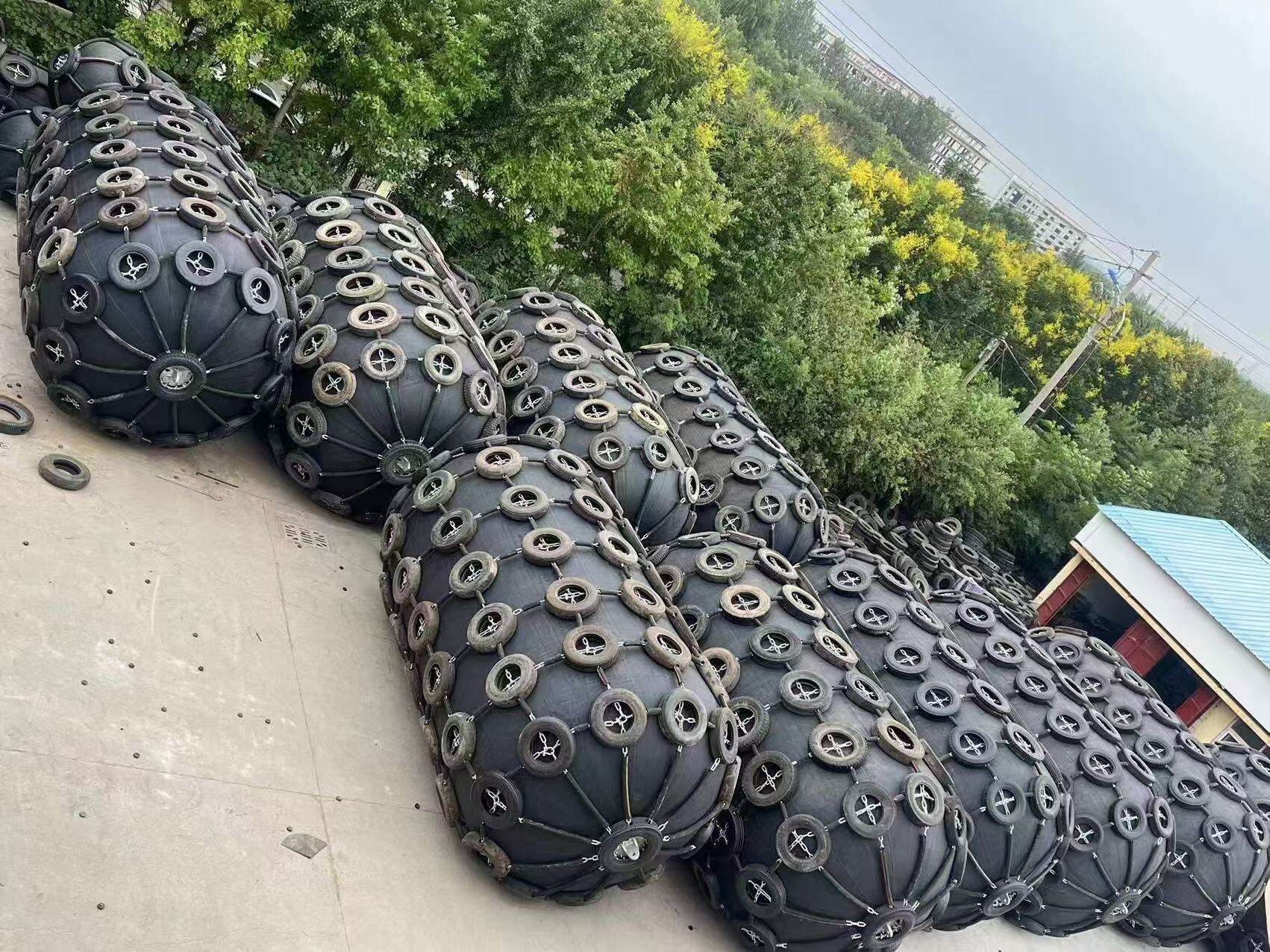
Superior Energy Absorption and Impact Protection
Yokohama fenders set the industry standard for marine impact protection through advanced engineering that prioritizes energy management across berthing scenarios.
How Yokohama Pneumatic Fenders Excel in Dynamic Energy Absorption
The pneumatic design enables controlled compression, with internal air pressure increasing gradually upon impact. This staged energy dissipation prevents sharp force spikes while maximizing kinetic energy conversion—critical for safeguarding both vessels and port infrastructure during high-energy berthing events.
Low Reaction Force and Even Pressure Distribution for Hull Safety
Yokohama’s cylindrical profile maintains up to 15% greater surface contact than solid rubber fenders, ensuring impact forces spread uniformly across ship hulls. This reduces localized stress points by 37% compared to conventional designs (Ponemon 2023), minimizing paint damage and structural wear even during misaligned approaches.
Data-Driven Performance: Up to 50% More Energy Absorbed Than Conventional Fenders
Third-party compression tests validate Yokohama fenders’ energy superiority:
| Metric | Yokohama Pneumatic | Solid Rubber | Foam-Filled |
|---|---|---|---|
| Energy Absorbed (kJ/m³) | 1480 | 985 | 1120 |
| Reaction Force (kN) | 820 | 1450 | 1340 |
Recent marine studies confirm these fenders retain 92% of initial performance after 15 years of saltwater exposure, underscoring long-term reliability.
Real-World Impact: Reduced Ship and Jetty Damage at Major Terminals
A 2022 analysis of 23 LNG terminals using Yokohama fenders showed:
- 57% fewer hull repair incidents vs. terminals with foam-filled fenders
- 40% reduction in jetty maintenance costs over 5-year periods
- Zero structural failures during typhoon-force berthing operations
This resilience is due to patented internal reinforcement that prevents sidelap separation—a common failure point in lower-quality pneumatic fenders.
Exceptional Adaptability in Diverse Marine Environments
Performance in Inclined, Angled, and Offshore Berthing Scenarios
The Yokohama fender system addresses a real headache for marine engineers when it comes to protecting ships during those tricky berthing situations that don't go according to plan. These aren't your standard rigid fender setups. Instead, they use this clever pneumatic design that can actually deform at angles up to about 35 degrees while still holding together structurally. This makes all the difference at places like offshore LNG terminals or tidal platforms where boats just can't dock straight on because of the way the water moves around them. Some research published last year looked into how well these things work, and what they found was pretty impressive. The Yokohama fenders cut down on side-to-side stress on ship hulls by roughly 40 percent when docking at an angle, which is a big improvement over traditional solid rubber options that tend to fail under similar conditions.
Floating Design and Automatic Tide Compensation
The new buoyancy system can handle tidal changes as big as 8 meters and keeps the right amount of pressure on things no matter what the water level does. No more messing around with manual adjustments, which has been a headache at places like the Bay of Fundy where workers have to tweak those old fender systems anywhere from 12 to 15 times every single day. Inside these systems are air chambers that basically breathe in and out as needed. They keep pressure steady between 12 and 15 kPa even when tides suddenly change direction. This kind of automatic response makes life so much easier for port operators dealing with unpredictable coastal conditions.
Reliable Operation in Rough Seas and Variable Water Levels
In typhoon-prone Asian ports, Yokohama fenders achieved 98.6% operational reliability during the 2022–2023 storm seasons. Multi-layer reinforcement withstands wave impacts exceeding 3 kJ/m²—equivalent to 5-meter waves hitting at 2 m/s. The closed-cell rubber construction prevents water ingress during submersion, avoiding the 60% efficiency drop seen in foam-filled fenders after saltwater saturation.
Comparison with Solid Rubber and Foam-Filled Fender Technologies
Pneumatic vs. Solid Rubber: Energy Efficiency and Structural Protection
The Yokohama pneumatic fender system works by absorbing kinetic energy through controlled air compression. These fenders spread out reaction forces across ship hulls about 20 to 35 percent more evenly compared to traditional solid rubber options. What this means in practice is reduced risk of localized stress points that might otherwise dent steel plating or damage protective paint coatings on vessels. Solid rubber alternatives tend to bounce back much quicker after impact, which actually transfers around 40% more collision energy to whatever they hit when ships come alongside at an angle according to research published in the Port Engineering Journal last year. For operators concerned about protecting infrastructure from repeated dockings, this difference matters quite a bit over time.
Foam-Filled vs. Yokohama Pneumatic: Maintenance, Durability, and Cost Trade-offs
Foam filled fenders do away with the need for checking air pressure, which sounds convenient at first glance. But looking at the bigger picture, these tend to cost about 50 to 70 percent more when it comes time to replace them compared to similar sized Yokohama pneumatic models. Some real world testing over ten years showed something interesting too. In hot tropical areas, those foam cores break down around three times quicker than regular rubber ones. And here's another point worth noting: nearly a quarter (that's 22%) of all foam filled units needed fixing halfway through their life span, whereas only 8% of the traditional pneumatic versions had this issue. Makes you think twice before going for that maintenance free option after all.
Failure Rates and Long-Term Reliability Across Fender Types
| Metric | Solid Rubber | Foam-Filled | Yokohama Pneumatic |
|---|---|---|---|
| Median Lifespan | 12 years | 15 years | 18 years |
| Annual Failure Rate | 4.1% | 3.2% | 1.8% |
| Storm Survival Rate | 87% | 91% | 96% |
Independent analyses of over 23,000 marine fender deployments confirm Yokohama's puncture-resistant reinforcement layers reduce catastrophic deflation risks to less than 0.3% annually—outperforming alternative technologies in continuous heavy-weather service.
Engineering Excellence and Smart Design Innovations
Advanced Materials and Robust Construction for Extended Lifespan
The Yokohama fenders are made from multiple layers of reinforced rubber with special anti-wear surfaces. Tests done in saltwater conditions showed these fenders wear down about 38% slower than what's typical across the industry according to Marine Structures Journal from 2023. What makes them really stand out is the steel cords woven throughout the material, giving them a safety margin of four times normal against bursting pressures without losing their ability to bend and flex. Because of this tough construction, they last anywhere between 15 to 20 years when used heavily at ports, which beats regular rubber fenders by around 8 extra years of service before needing replacement.
Modular, Lightweight Design for Easy Transportation and Installation
Yokohama's segmented pneumatic fenders weigh around 60 percent less than their solid rubber counterparts. This makes it possible to ship entire fender systems for large berths aboard just one ship instead of multiple vessels. According to field reports from actual installations, crews can put in place a 3 meter diameter fender about 45 percent quicker compared to older designs. And they need roughly 80 percent fewer crane lifts too. The modular connection system lets workers adjust lengths on site by plus or minus two meters. This flexibility turns out to be really important when fixing problems at distant offshore facilities where getting replacement parts takes time and money.
Next-Gen Trends: Integration of Smart Monitoring in Yokohama Fenders
The latest generation of these systems comes equipped with Internet of Things pressure sensors that send live load information straight to port management dashboards. Early tests show these smart sensors hit around 92% accuracy when predicting maintenance needs. That's pretty impressive compared to old school visual checks, which tend to overlook about a third of those hidden wear problems according to a recent industry report from Port Technology in 2024. Looking ahead, developers plan to add strain measurement capabilities along with automated pressure adjustments. These upgrades should cut down on the need for constant hands-on monitoring by staff members.
Long-Term Cost-Effectiveness and Operational Efficiency
Total Cost of Ownership: Yokohama vs. Alternative Fenders Over 10 Years
Yokohama fenders deliver a 35% lower total cost of ownership compared to solid rubber and foam-filled alternatives over a decade, according to a 2024 marine infrastructure analysis. Key drivers include:
- 54% fewer replacements due to puncture-resistant materials
- 72% less maintenance downtime from corrosion-resistant designs
- 28% energy savings during installation via lightweight modular systems
The same study found conventional fenders incur $18k/year in hidden costs such as emergency repairs and berth closures, while Yokohama systems maintain annual operational expenses below $6k through predictable maintenance cycles.
Proven Reliability in Extreme Weather and High-Traffic Port Operations
In stress tests simulating Category 4 hurricanes and 5,000-vessel annual traffic, Yokohama fenders retained 90% of their energy absorption capacity after 10 years—outperforming foam-filled counterparts by 41%. This reliability stems from:
- Automatic pressure balancing during storm surges (-70% hull abrasion vs. rigid fenders)
- Tide-compensating buoyancy eliminating manual adjustments in ±4m tidal zones
- UV-stabilized rubber compounds showing 60% less cracking than industry benchmarks
Major terminals report a $740k reduction in collision-related damages over five years (Ponemon 2023), affirming their operational efficiency in demanding environments.
FAQ
What makes Yokohama pneumatic fenders stand out in energy absorption?
The pneumatic design of Yokohama fenders allows for controlled compression, gradually increasing internal air pressure upon impact. This process helps prevent sharp force spikes and maximizes kinetic energy conversion, crucial for protecting vessels and port infrastructure during intense berthing events.
How do Yokohama fenders provide hull safety?
Yokohama fenders maintain a cylindrical profile offering up to 15% greater surface contact than solid rubber fenders. This design spreads impact forces uniformly across ship hulls, reducing localized stress points by 37% and minimizing paint damage and structural wear.
Are Yokohama fenders cost-effective in the long term?
Yes, Yokohama fenders have a 35% lower total cost of ownership over a decade compared to solid rubber and foam-filled alternatives. This is due to fewer replacements, less maintenance downtime, and energy savings during installation.
How reliable are Yokohama fenders in extreme weather conditions?
Yokohama fenders show excellent reliability, retaining over 90% of their energy absorption capacity after 10 years, even in simulations of Category 4 hurricanes and high-traffic port operations. They offer automatic pressure balancing during storm surges and eliminate the need for manual adjustments in varying tidal zones.