 EN
EN


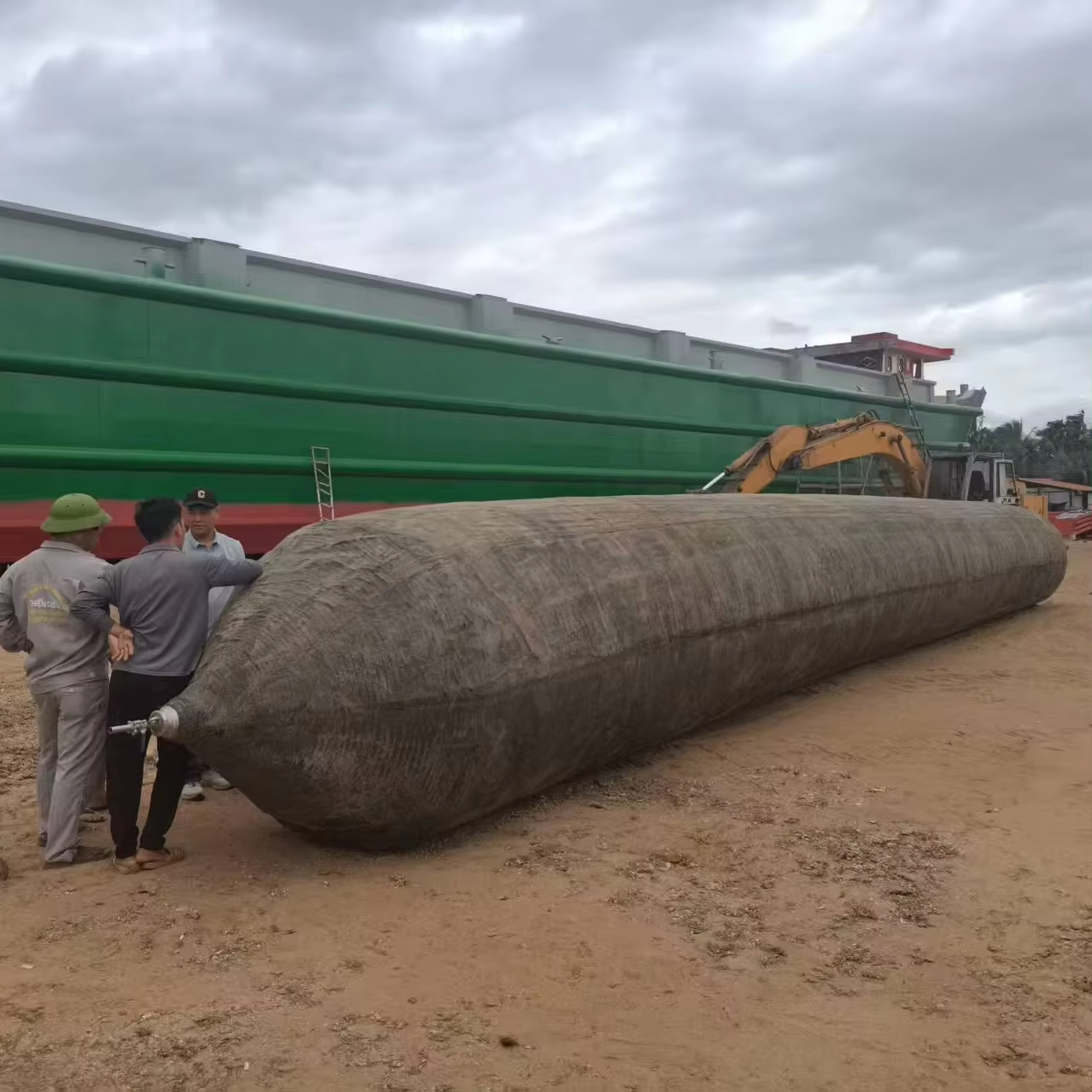
What OEM Means for Inflatable Rubber Airbag Production
Defining OEM vs. ODM in inflatable rubber airbag manufacturing
When it comes to manufacturing, there's a big difference between OEMs and ODMs. An Original Equipment Manufacturer or OEM makes things like inflatable rubber airbags exactly how their clients want them. The brand stays in charge of everything from design choices to what materials get used and how well the product performs. On the other side of things, Original Design Manufacturers create their own products which companies then put their name on. Think of it like someone else making the cake but letting another company decorate it with their logo. For industries where safety regulations are tight, like automotive parts manufacturing, working with OEMs becomes really important. These partnerships ensure that every part can be traced back through the supply chain, meets all legal requirements, and has actually been tested in real crash scenarios according to specs set by the brand itself.
Core value proposition: Why brands choose OEM inflatable rubber airbag partners
Many companies choose to work with OEM partners when they need really precise engineering work done and want to minimize risks along the way. The best OEMs run fully certified manufacturing sites where their teams have spent years mastering things like rubber materials science and creating compounds that can handle specific pressure requirements. They put products through all sorts of tests before anything gets shipped out, making sure everything works reliably once installed. Top tier OEMs actually hit defect rates so low they're practically nonexistent thanks to their statistical quality control methods. This lets brand owners concentrate on putting systems together without worrying about whether components meet strict safety standards. For industries dealing with life support equipment or industrial machinery where failures could be catastrophic, these kinds of partnerships literally save money by preventing expensive product recalls down the road.
Global OEM Inflatable Rubber Airbag Exporters by Region
China: High-volume, certified OEM inflatable rubber airbag manufacturers
When it comes to manufacturing inflatable rubber airbags, China is definitely ahead of the pack in terms of volume and pricing. Many leading manufacturers have both ISO 9001 and IATF 16949 certifications which allows them to produce automotive quality airbags on automated production lines. These factories maintain very tight tolerances around ±0.3mm during manufacturing. Looking at recent data from 2023, we see that Chinese plants account for more than 60 percent of all inflatable rubber parts made worldwide. This has positioned China as a primary destination for companies needing large quantities of certified products that meet strict specifications.
Europe: Precision-engineered OEM inflatable rubber airbag suppliers with ISO/TS standards
The manufacturers from Europe, especially those based in Germany and Italy, are known for their focus on exacting engineering when it comes to tough applications. Most of these companies follow strict quality standards like ISO/TS 16949 and VDA 6.3. They work extensively with special rubber compounds designed to handle really harsh conditions, operating effectively between -40 degrees Celsius all the way up to 120 degrees Celsius while maintaining integrity under intense pressure situations. According to recent research published last year in the field of materials science, airbags made in Europe show around 30 percent better resistance to wear and tear compared to what's typically seen across the industry. This kind of performance matters a lot in situations where failure isn't an option at all.
Southeast Asia: Agile, mid-tier OEM inflatable rubber airbag exporters scaling for global clients
Factories across Thailand and Vietnam are blending Japanese lean manufacturing methods with fast prototyping techniques, which allows them to complete design changes in around two weeks instead of months. These flexible original equipment manufacturers can handle everything from just over 5 thousand products all the way up to half a million pieces each year, and they still keep their quality control processes certified according to international standards. What really stands out is how much they've cut down on minimum orders compared to regular OEMs - about twenty percent less actually. This makes these Asian manufacturers great options for companies that need moderate production volumes but want to stay nimble in their operations.
End-to-End OEM Capabilities for Inflatable Rubber Airbag Customization
Design support, mold development, and prototyping for inflatable rubber airbag
OEM partners provide full design engineering, using CAD simulations to optimize airbag geometry for precise deployment. Rapid prototyping allows functional validation within 72 hours, cutting development time by 40% compared to in-house efforts. Multi-cavity mold systems ensure tolerances remain under ±0.15mm during pre-production trials, ensuring consistency from concept to volume run.
Material science: Selecting elastomers, coatings, and pressure-rated compounds
Material selection balances three key performance factors:
- Elastomer resilience: Nitrile (NBR) or silicone compounds perform reliably from -40°C to 150°C
- Permeability control: Butyl rubber inner liners limit pressure loss to less than 0.5% per hour
- Surface treatments: Low-friction fluoropolymer coatings reduce abrasion during inflation
These pressure-rated formulations undergo accelerated aging tests to simulate a 10-year service life under operational stress.
Certification, testing, and traceability in OEM inflatable rubber airbag production
In ISO 9001-certified facilities, batch-level traceability is maintained through QR-coded materials. Each unit undergoes:
- Burst pressure testing at 300% of operational PSI
- Cyclic fatigue testing (500+ inflation cycles)
- Environmental exposure (thermal shock and humidity)
Production audits verify compliance with IATF 16949 for automotive or AS9100 for aerospace standards, with failure rates consistently below 50 PPM.
Industry-Specific Applications of OEM Inflatable Rubber Airbags
Automotive safety systems: Crash simulation and restraint integration
Original equipment manufacturer (OEM) airbags play a critical role in car safety systems. These components go through extensive crash testing simulations before hitting production lines, making sure they deploy at just the right moment and spread impact forces properly across the passenger compartment. Most modern airbags come packed with tiny pressure sensors along with carefully engineered tear seams that allow them to inflate rapidly - typically between 15 to 40 milliseconds after impact occurs. The National Highway Traffic Safety Administration reported last year that OEM airbags cut down on head injuries by about 23 percent during side collision accidents. What's interesting is how manufacturers tweak the rubber compounds used in these airbags so they don't break down when exposed to extreme temperatures inside vehicles over time.
Industrial vibration isolation and load leveling solutions
In manufacturing, precision-engineered airbags isolate vibrations in machinery, dampening frequencies up to 200 Hz. They support dynamic load leveling for presses and CNC equipment, maintaining ±0.5mm alignment under 20-ton loads. Their fast inflation and deflation cycles streamline retooling, reducing downtime by 30% compared to mechanical shims in high-mix production environments.
Marine, aerospace, and emergency deployment systems
Marine grade neoprene airbags create watertight seals essential for ship launching operations, capable of handling pressures reaching around 15 bar before showing signs of stress. For aerospace applications, these airbags comply with AS9100 quality requirements and function effectively across extreme temperatures ranging roughly between minus 65 degrees Celsius down to plus 150 degrees Celsius, making them suitable for use inside satellite payload compartments and aircraft cabin door mechanisms. When it comes to emergency situations, standard life raft airbags typically inflate fully within approximately eight seconds after coming into contact with water. Some specialized models designed for avalanche rescue incorporate GPS triggered inflation technology that activates based on geographic position, allowing rescuers to locate victims much faster during critical moments.
FAQs
What does OEM mean in inflatable rubber airbag production? OEM stands for Original Equipment Manufacturer. In the context of inflatable rubber airbag production, it refers to companies that manufacture airbags according to client specifications while the brand retains control over design and materials, ensuring compliance with safety standards.
Why do brands choose OEM over ODM for airbags? Brands choose OEM for precise engineering, reduced risk, and strict compliance with safety regulations. OEMs offer low defect rates and rigorous quality control, vital for industries such as automotive and life-support equipment manufacturing.
Which regions are leading producers of OEM inflatable rubber airbags? China leads in volume and cost-effectiveness, Europe excels in precision-engineered solutions, and Southeast Asia offers agile manufacturing for moderate volumes with fast prototyping and lean processes.
How do OEM airbags contribute to automotive safety? OEM airbags undergo extensive crash tests to ensure precise deployment and effective force distribution upon impact, significantly reducing head injuries during side collisions and maintaining durability under extreme temperatures.
What are the key applications of OEM inflatable rubber airbags? OEM airbags are used in automotive safety systems, industrial vibration isolation, marine and aerospace seal systems, and emergency deployment, offering solutions for various operational stresses and environmental conditions.