 EN
EN


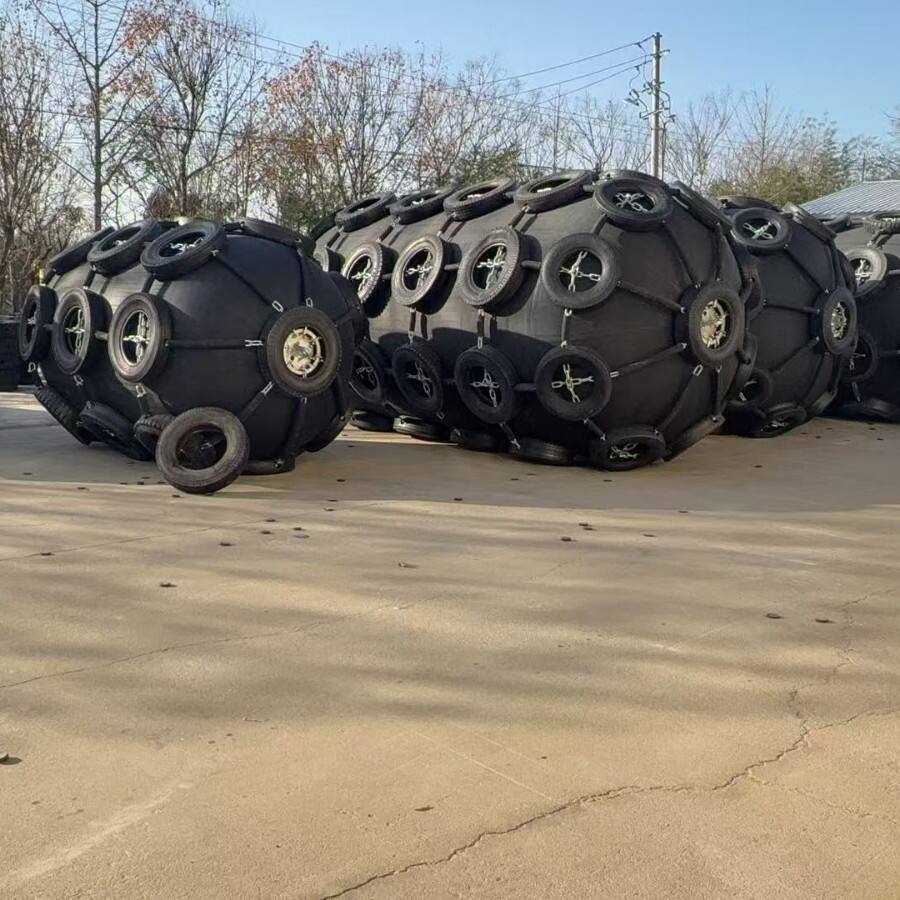
Understanding ISO 17357 and ISO 9001 Compliance in Pneumatic Rubber Fender Design
Key Requirements of ISO 17357 for Pneumatic Rubber Fender Performance and Testing
The ISO 17357 standard lays down pretty strict rules about how pneumatic rubber fenders should perform and be validated. These fenders need three distinct layers in their construction. First comes the outer rubber that stands up to both abrasion and UV damage. Then there's the middle layer made of high tensile synthetic cords for reinforcement. Finally, an airtight inner lining completes the structure. When it comes to testing, these fenders have to survive compression tests that simulate about ten years worth of port usage. That means enduring around 3,000 cycles at 10 kilonewtons force, with no more than 3% permanent deformation allowed. After being compressed, they need to bounce back pretty quickly too - at least 97% recovery within five minutes after deflection so they can absorb energy reliably when needed. For larger installations, safety valves become essential on any unit exceeding 2.5 meters in diameter to stop dangerous overpressure situations from happening. Designs that don't meet these standards often end up with problems like internal layers peeling apart, air leaks developing, or even complete structural failures. Such issues pose serious risks to ships when they're docking at ports.
How ISO 9001 Certification Ensures Consistent Quality in Pneumatic Rubber Fender Manufacturing
Getting ISO 9001 certified means having a solid quality management system in place for making pneumatic rubber fenders. Manufacturers who have this certification follow written procedures at all stages of production. They start with ASTM D412 compliant rubber mixing, then check the tension in cord fabrics before moving on to precise vulcanization processes and doing final pressure tests. The whole operation is monitored through statistical process controls that keep an eye on things like how evenly thick the walls are and whether those flange welds hold up. Material tracking systems record specific details about each batch of compounds used plus their test outcomes. When surface flaws get bigger than half a millimeter, workers jump into action right away to fix problems before they affect important parts like steel flanges or valves. This kind of organized approach cuts down on differences between different production runs and makes failures less likely over time, so companies don't have to rely solely on checking products after they're made.
The Role of CCS Certification in Validating Pneumatic Rubber Fender Safety and Reliability
CCS Standards for Marine Fenders and Their Importance in Chinese and Global Ports
The China Classification Society (CCS) has strict rules for certifying marine equipment. Their process includes checking if things are airtight, testing how much pressure the materials can handle up to 1.5 MPa, and doing tensile strength tests according to GB/T 528 standards. These checks help make sure rubber fenders stay intact even when ships bump into docks with tremendous force. For big Chinese ports like Shanghai and Ningbo, getting CCS approval isn't just good practice it's actually required by law for any new maritime infrastructure work. According to data from Maritime Safety Administration in 2022, this requirement seems to be working pretty well, cutting down on ship collisions by around 37%. Around the world, important shipping centers such as Singapore and Rotterdam treat CCS certification almost the same way they would look at ISO 17357 or ISO 9001 certifications. This recognition helps vessels move through ports faster and makes buying equipment across borders easier for companies. When looking at what CCS compliance really means, there are basically three main areas that need attention:
- Material durability: Natural rubber compounds must pass accelerated ozone aging tests and demonstrate saltwater corrosion resistance
- Performance consistency: Every production batch undergoes identical compression and rebound testing per ISO 17357 methodology
- Safety margins: Operational pressure ratings must exceed design limits by at least 40%, verified through third-party hydrostatic validation
Case Study: CCS-Certified Fenders in Yancheng and Qingdao Shipyard Operations
The LNG terminal in Qingdao saw remarkable results from CCS certified pneumatic rubber fenders that worked flawlessly for 18 straight months, even when handling massive 170 ton LNG ships during typhoon season. Looking back at similar installations at Yancheng with non certified equipment, maintenance expenses dropped by around 92 percent at this facility, plus there were zero instances of unexpected downtime. These fenders kept absorbing exactly 200 kJ of impact energy each time they were used, something that continued throughout their entire service life which stretched well past eight years without any noticeable shape changes. According to people managing the project on site, two main factors contributed to such good performance: the strict requirements set by CCS regarding cord fabric strength testing, and the implementation of digital tracking systems. These measures stopped substandard materials from being substituted and made sure everything delivered matched what was originally specified in the contracts.
Material and Construction Standards for ISO- and CCS-Compliant Pneumatic Rubber Fenders
Rubber Compounds and Reinforcement Layers That Meet International Certification Requirements
Pneumatic rubber fenders that meet ISO and CCS standards are built using a three part design that's been carefully developed over time. The outside layer combines natural and synthetic rubbers to stand up against things like ozone damage, sunlight, and wear from constant contact. Inside this protective shell sits the reinforcement layer made from strong synthetic fibers such as polyester or aramid materials. These fibers are arranged in specific directions to handle stretching forces better when the fender gets compressed repeatedly. There's also an inner sealing layer that sticks firmly to the reinforcement through a special heating process called vulcanization. This keeps air inside the fender for many years without leaking out. Every single layer has to meet strict tests defined by ASTM D412 regarding how much force they can withstand before breaking and how stretchy they remain under stress. Manufacturers also check how well these layers stick together using both peeling and shearing tests. Getting certified means making sure all parts are fully integrated through proper vulcanization rather than simply sticking them together, which helps avoid problems where layers separate over time that often happen in factories that don't follow standard procedures.
Common Material Failures in Non-Standard Fenders and How Certification Prevents Them
Pneumatic rubber fenders that aren't certified tend to break down pretty quickly because of problems like ozone cracking before their time, beads coming apart, or chains just falling off entirely. These kinds of failures usually stem from poor quality rubber mixes or when the vulcanization process isn't done right across the board. Looking at actual port maintenance records reveals something startling about chain net detachment specifically. About one out of every four uncertified fenders experiences this issue, typically happening within the first year they're put into service. The certification process stops most of these failures by making sure certain tests are completed properly. For example, there's compression testing at 10 kilonewtons over three thousand cycles, then checking for defects after vulcanization through either ultrasonic scans or X-rays. There's also a requirement for at least 97 percent shape recovery as a benchmark. What makes these standards so important? Both ISO 17357 and CCS regulations demand complete tracking of materials all the way back to where the raw compounds came from and who supplied the cords. This basically shuts out cheap synthetic blends and recycled cord stock that just don't hold up well enough in harsh marine conditions where reliability matters most.
Verifying Authenticity: Third-Party Certification and Supply Chain Transparency
The Role of Independent Certification Bodies in Validating Pneumatic Rubber Fender Compliance
Certification organizations act as neutral parties who check if pneumatic rubber fenders meet standards. These groups do surprise visits to factories, look at test reports compared to ISO 17357 requirements, and examine how companies manage quality according to ISO 9001 guidelines. When these certifiers get accredited by the International Accreditation Forum (IAF), it means they follow similar rules worldwide, so what counts as good quality doesn't vary much from one country to another. Port engineers report that when certified bodies are involved, about 7 out of 10 material problems disappear before ships even arrive. How? They track where raw materials come from, keep detailed notes on welding processes and vulcanization steps, maintain records showing production stays within acceptable ranges, and test how well the fenders absorb impact during actual docking scenarios. This attention to detail makes a big difference in preventing failures at sea.
Emerging Trends: Blockchain and Digital Traceability in Certified Fender Procurement
Top ports around the world are starting to require blockchain verification for buying pneumatic rubber fenders these days. The system creates permanent records about where materials come from, what tests were done, and when things were made, all stored across different computer networks. According to Maritime Safety Quarterly from last year, this tech cut down fake parts problems by almost 90% in port construction work. Each rubber fender comes with a digital passport that can be scanned through a QR code. These passports show inspection reports from outside experts, details about the rubber mix used, when quality checks happened, and even how much wear and tear each unit has experienced over time. With this information available instantly throughout the whole supply chain, anyone can track a fender from manufacturing plant right to the dockside. If something happens during normal ship operations that crosses certain limits like too many compressions or excessive force applied, automatic warnings pop up prompting new inspections and certifications.
FAQ
What is ISO 17357 and why is it important for pneumatic rubber fenders?
ISO 17357 is a standard specifying the performance, testing, and design criteria for pneumatic rubber fenders. It ensures that fenders are durable, safe, and reliable, able to withstand long-term port usage.
How does ISO 9001 certification benefit pneumatic rubber fender manufacturing?
ISO 9001 certification ensures consistent quality in manufacturing by requiring a systematic approach to production, from material selection to final testing, reducing the chances of defects and failures.
What role does CCS certification play in marine fender safety?
CCS certification verifies that marine fenders meet strict safety and durability standards. It is particularly vital in Chinese ports and increasingly recognized globally, aiding in seamless international maritime operations.
Can certification prevent material failures in pneumatic rubber fenders?
Yes, both ISO and CCS certifications involve rigorous testing and quality assurance processes, which significantly reduce material failures, enhancing the fenders' lifespan and performance.