 EN
EN


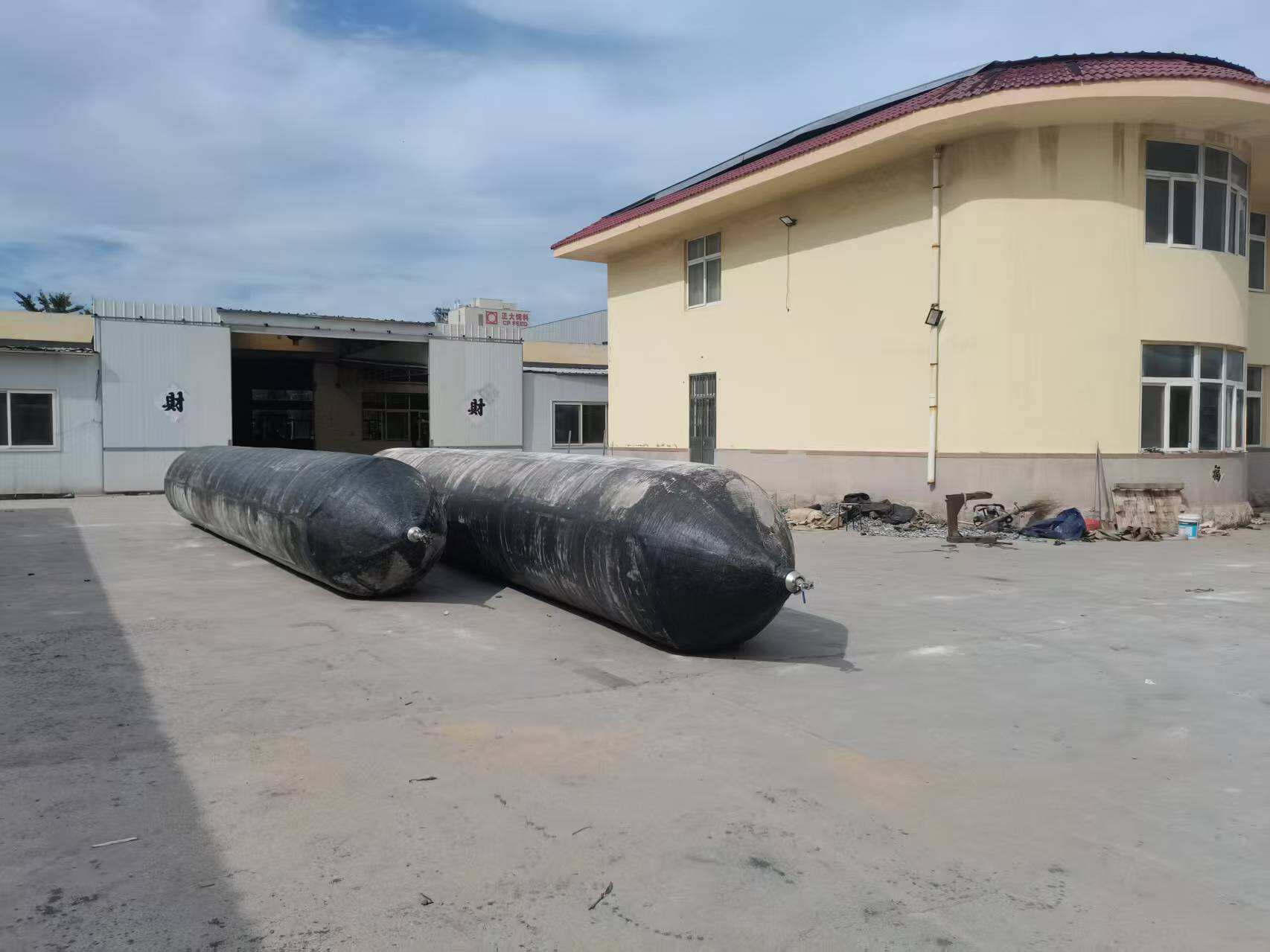
Top Ship Launching Airbag Suppliers Providing Verified 3-Year Warranties
Selecting a ship launching airbag supplier requires verifying warranty integrity alongside technical specifications. Leading manufacturers differentiate their 3-year warranties through certification, scope of coverage, and post-sale support—critical factors for shipyards managing project timelines and budgets.
Nanhai Marine: BV/CCS-Certified Airbags with Full 3-Year Warranty Coverage
Nanhai Marine offers Bureau Veritas (BV) and China Classification Society (CCS)-certified airbags backed by a full 3-year warranty against material defects. Validated under ISO 14409:2011, the coverage includes all structural components under standard operational loads—and mandates full unit replacement for core failures such as delamination or rupture.
Jiangsu Hengsheng: ABS-Validated 3-Year Warranty Including On-Site Support
Jiangsu Hengsheng’s American Bureau of Shipping (ABS)-approved warranty goes beyond product replacement: it guarantees biannual technical inspections and emergency on-site troubleshooting within 72 hours. This rapid-response support addresses real-time launch challenges—including uneven pressure distribution and valve malfunctions—ensuring minimal disruption to critical operations.
Shanghai Zhenhua Rubber: Technical-Performance-Linked 3-Year Warranty for Heavy-DWT Launches
Shanghai Zhenhua Rubber specializes in high-deadweight tonnage (DWT) vessel launches and ties its 3-year warranty directly to documented performance metrics. Coverage remains valid only when pre-launch pressure logs and strain gauge readings are submitted and verified—enforcing strict adherence to operational protocols for vessels exceeding 60,000 DWT.
Understanding Warranty Limitations: Saltwater, Reuse, and Environmental Exclusions
All major warranties exclude damage resulting from:
- Saltwater corrosion beyond factory-sealed integrity
- Airbag reuse beyond eight launch cycles
- Exposure to extreme temperatures (>60°C or <–20°C)
- Impact from debris or improper storage practices
| Warranty Feature | Standard Coverage | Typical Exclusions |
|---|---|---|
| Duration | 3 years | Premature wear from misuse |
| Component Protection | Seams, cord layers | UV degradation |
| Replacement Scope | Full unit | Transport damage |
Proper maintenance enables 10–15 years of functional service despite standard 3-year warranties. This gap exists because post-warranty failures typically stem from operational factors—not material defects—making extended guarantees commercially unviable for suppliers. Regular inspections remain essential for longevity.
Why a 3-Year Warranty Reflects Real-World Durability and Reusability Standards
Empirical Lifespan: How Proper Maintenance Enables 10–15 Years of Airbag Service
Properly maintained ship launching airbags routinely achieve 10–15 years of operational service, confirmed by global shipyard deployment records. This longevity is driven by three core protocols:
- Pressure testing before each launch cycle detects early material fatigue
- Saltwater rinsing and UV-protected storage prevent environmental degradation
- Abrasion monitoring during retrieval—with immediate patch repairs when needed
Industry data shows that 78% of airbags reach 12+ years when following OEM maintenance schedules, transforming the warranty period into a baseline for durability verification—not an endpoint.
Bridging the Gap: Why Warranties Are 3 Years Despite Longer Functional Lifespan
The standardized three-year coverage aligns with the highest probability window for revealing material or manufacturing flaws while acknowledging that long-term performance depends heavily on user practices.
| Warranty Duration | Coverage Focus | User-Dependent Factors |
|---|---|---|
| First 3 years | Material defects & manufacturing flaws | Minimal influence |
| Years 4–15+ | Performance retention | Storage conditions & maintenance rigor |
Classification societies (ABS, BV, CCS, LR) validate this timeframe: 92% of inherent material flaws surface within 36 months. Beyond that, functional lifespan hinges on handling—making extended warranties impractical for suppliers. This balance reflects confidence in core durability while recognizing real-world variability.
The Role of Classification Societies in Validating and Enforcing Warranty Claims
How BV, CCS, ABS, and LR Certification Support Credible 3-Year Warranty Offers
Organizations such as Bureau Veritas, China Classification Society, ABS, and Lloyd's Register play a critical role in checking how well airbags perform over time and meet safety standards. These groups actually test products themselves against set criteria, which helps back up those 3 year warranty promises that suppliers make. Marine operators know they can rely on this process because when problems occur later on, these classification bodies investigate thoroughly to find out if something went wrong during manufacturing or if maybe someone used the equipment incorrectly. The whole system works pretty well in practice since it forces companies to stand behind their claims rather than just making empty promises. For boat owners who need reliable safety gear, this means there's real accountability behind those warranty statements instead of just words on paper.
Maximizing Airbag Lifespan Beyond the Warranty Period
Pre-Launch and Post-Use Inspection Protocols from Leading Suppliers
Regular inspections both before deployment and after retrieval play a big role in keeping airbags functional for longer periods. Most suppliers insist on looking closely at the material for any signs of wear like abrasions, cuts or strange bumps while also checking the internal pressure with properly calibrated tools. After each use, there's another round of maintenance work involving saltwater flushes to get rid of those pesky salt crystals that build up over time. Technicians also need to assess how much UV damage has occurred because spending too much time out at sea really speeds up the breakdown of rubber components. Big name manufacturers have started keeping detailed records of all these inspection steps digitally now. These electronic logs help track when things were last checked and make it easier to plan ahead for replacements or repairs down the road.
Maintenance Best Practices to Extend Ship Launching Airbag Reusability
Proper storage and handling significantly extend functional lifespan beyond the typical 3-year warranty. Key evidence-backed practices include:
- Storing deflated airbags horizontally in shaded, ventilated areas
- Using protective covers during non-use periods
- Avoiding direct ground contact to prevent moisture absorption
- Conducting bi-annual inflation tests to identify slow leaks
- Rotating units to distribute stress points evenly
These methods enable 10–15 years of service life and reduce replacement costs by over 30%, according to the Marine Tech Journal (2023).
FAQ Section
What is the typical lifespan of a ship launching airbag?
Properly maintained ship launching airbags can achieve 10–15 years of operational service.
Why do suppliers offer only a 3-year warranty?
The 3-year warranty aligns with the highest probability window for revealing material or manufacturing flaws, while long-term performance is heavily dependent on user practices.
Which types of damages are excluded from warranty coverage?
Damages from saltwater corrosion beyond factory-sealed integrity, airbag reuse beyond eight launch cycles, exposure to extreme temperatures, or improper storage practices are typically excluded.
How do classification societies support warranty claims?
Classification societies test airbags against set criteria, providing a reliable process to enforce warranty claims when issues arise due to manufacturing defects.
Table of Contents
-
Top Ship Launching Airbag Suppliers Providing Verified 3-Year Warranties
- Nanhai Marine: BV/CCS-Certified Airbags with Full 3-Year Warranty Coverage
- Jiangsu Hengsheng: ABS-Validated 3-Year Warranty Including On-Site Support
- Shanghai Zhenhua Rubber: Technical-Performance-Linked 3-Year Warranty for Heavy-DWT Launches
- Understanding Warranty Limitations: Saltwater, Reuse, and Environmental Exclusions
- Why a 3-Year Warranty Reflects Real-World Durability and Reusability Standards
- The Role of Classification Societies in Validating and Enforcing Warranty Claims
- Maximizing Airbag Lifespan Beyond the Warranty Period