 EN
EN


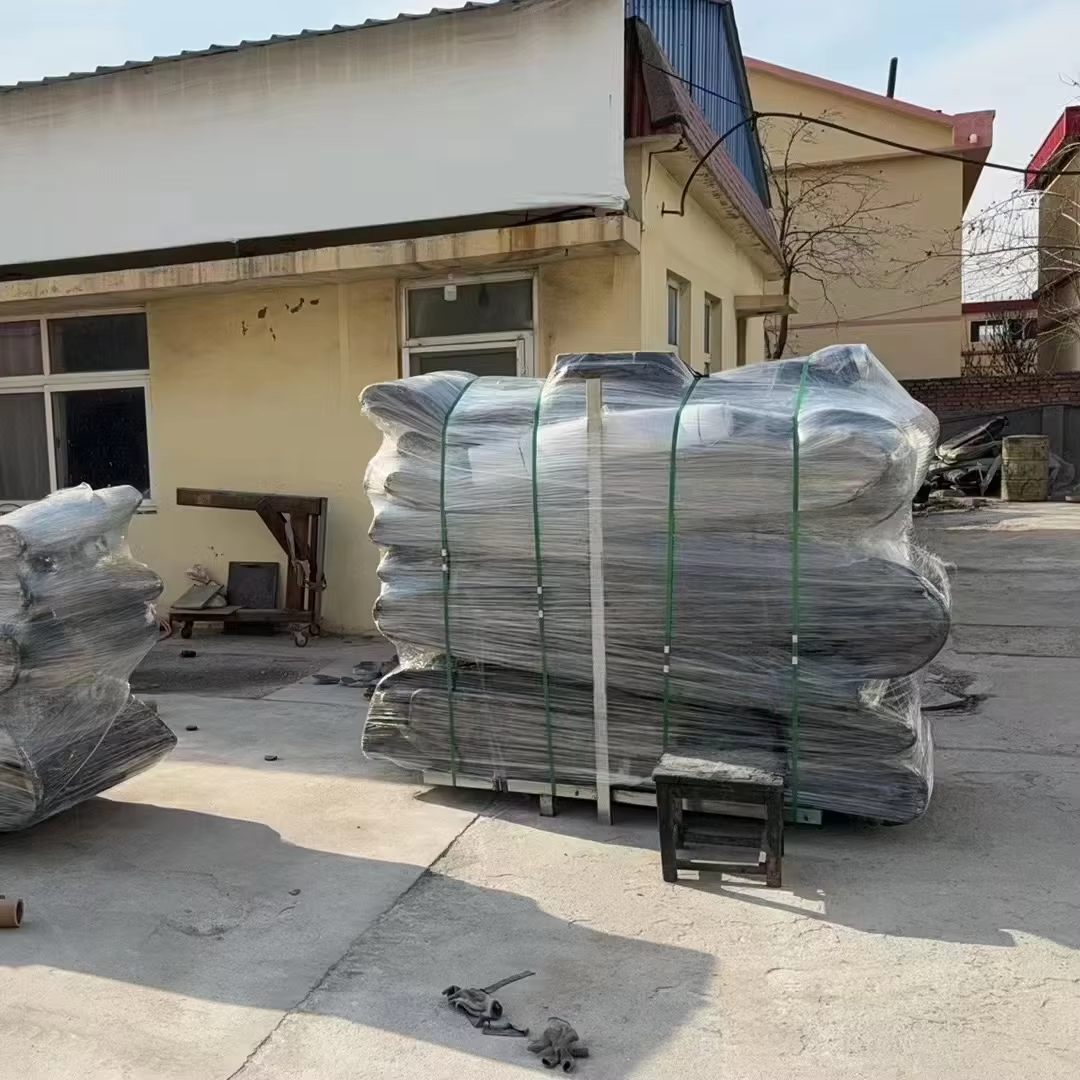
Key Factors in Selecting Ship Salvage Airbag Specifications for Small Vessels
How LOA (Length Overall) and Vessel Width Determine Airbag Size
The size of a vessel has a big impact on which airbags work best for even lifting across the boat. Small boats that are less than 20 meters long overall (LOA) generally need airbags covering about 60% of their hull length so they don't put too much pressure on any one spot. When it comes to beam width, narrow boats under four meters wide actually do better with smaller diameter airbags ranging between 1.2 and 1.8 meters. This helps prevent dangerous rolling motions when the airbags inflate. A recent marine salvage report from 2023 found something interesting too: around 23% of failed recoveries in shallow water happened because people used airbags that weren't the right size. These problems usually stem from either unstable positioning or not enough surface area touching the boat.
Buoyancy Requirements Based on Vessel Weight and Displacement
To successfully recover something from underwater, the buoyancy needs to be at least 25% to 50% greater than what's actually submerged. Take a typical fishing boat weighing around 10 tons as an example. Salvage operations would generally require somewhere between 12 and maybe even 15 tons worth of lifting power just to get it back on surface level, considering all the extra weight from water soaked into materials plus sediment that accumulates over time. When calculating how much displacement is needed, don't forget those changing cargo situations either. Lobster boats in particular face special challenges because their storage areas tend to trap quite a bit of seawater. Industry experts often recommend adding roughly 18 to 22 percent extra buoyancy capacity beyond what the boat weighs when completely dry to handle these unexpected additions during recovery attempts.
Matching Airbag Specs to Hull Geometry and Launch Environment
The shape of a vessel's hull really affects how airbags should be designed. For boats with V-shaped hulls, we need those special contoured and reinforced bags to stop them from slipping around. Flat bottomed boats work much better with wider airbags that operate at lower pressures. When working in tight spots such as narrow harbors, smaller modular units measuring less than six meters come in handy because they can fit right around all sorts of obstacles. Most major manufacturers actually offer specific inflation advice based on different environments. They suggest cutting down pressure somewhere between 10 to maybe even 15 percent when dealing with rocky seabeds just to cut down the chances of getting punctured.
Buoyancy Rating and Lifting Capacity for Effective Small Vessel Salvage
Calculating Required Buoyancy Based on Vessel Displacement
The minimum amount of buoyancy needed for a vessel comes from multiplying its displacement against the density of saltwater, which sits around 1.025 kg per liter. Take a 10 ton boat sitting at about 70% submersion level, it needs roughly 7.35 tons worth of lifting force just to fight off water resistance and stickiness from the ocean floor. Most experienced salvagers know better than to rely on those exact numbers though. They typically throw in an extra 25 to 50 percent as buffer room because nothing stays perfectly still underwater. Cargo shifts, tides change direction unexpectedly, and all sorts of variables pop up during actual recovery operations that can throw off even the most carefully calculated plans.
Case Study: Salvaging a 15-Ton Fishing Boat with Proper Buoyancy Matching
During operations in the Baltic Sea, a 15 ton fishing trawler got stuck on a sandbar but managed to float free after crews deployed three large airbags measuring 6 meters each. These airbags generated around 6.8 tons of lifting power apiece, giving the vessel a total boost of approximately 20.4 tons. That surpassed what was needed since calculations showed they only required 19.5 tons for buoyancy (accounting for the boat's actual weight plus an extra 30 percent as a safety buffer). The result? A nice slow rise at about 15 centimeters per minute, which stayed comfortably below the maximum suggested speed of 20 cm/min. This careful approach helped keep stress on the hull to a minimum during the whole operation.
| Parameter | Requirement | Airbag Performance |
|---|---|---|
| Displacement Weight | 15.0 t | 15.0 t |
| Target Buoyancy (30%) | 19.5 t | 20.4 t |
| Ascent Rate | ≤20 cm/min | 15 cm/min |
Balancing Safety Margins vs. Overestimation in Shallow Water Operations
When working in water shallower than 15 meters, too much buoyancy tends to throw off vessel stability during those tricky partial lifts. A recent marine salvage report from 2023 actually found that about a quarter of all coastal salvage mishaps happen because airbags get blown up too much, leading to these wobbly lift situations. Salvage crews have started adopting modular setups these days instead of relying on single large units. For instance, pairing a main 4-ton airbag with smaller 1-ton helpers allows for better control of buoyancy forces while operations are underway. This approach works particularly well in delicate areas such as tidal flats where even minor disturbances matter, or near coral reefs that need protection from accidental damage during recovery efforts.
Critical Technical Specifications: Diameter, Length, and Working Pressure
Optimal Diameter and Length for Efficient Lifting and Stability
The size of an airbag makes a big difference when it comes to how well it lifts things and stays stable during operations. When working with smaller vessels weighing less than 20 tons, most experts recommend airbags around 1.2 to 1.5 meters across. These sizes create about 185 to 220 kilonewtons per meter of lifting power at roughly 70% compression levels, which is pretty good considering they still need to fit into confined areas without getting stuck. The length matters too. As a general rule, make sure the airbag extends beyond 60% of the ship's width to stop it from rocking side to side. Those radial cables running through the bag help keep everything intact as it fills up with air. According to recent findings published in Naval Salvage Journal last year, getting the dimensions wrong can really slow things down. Mismatched sizes actually add nearly half an hour to deployment times on average, which nobody wants when time is money in salvage operations.
Working Pressure: Inflation Efficiency vs. Structural Integrity
Keeping operation between around 65 to 85 percent of the rated working pressure range (usually somewhere between 140 and 300 kPa) allows for quick inflation without breaking down too soon. According to some research from last year, airbags kept about 98% of their pressure if they stayed under that 85% mark, but things went wrong much more often when people pushed past those limits with a failure rate jumping up to 12%. These days manufacturers have started adding safety features like anti-burst valves and sometimes even two separate chambers inside. This helps prevent explosions from too much pressure building up, yet most products can still get fully inflated in about 15 to 20 minutes give or take depending on conditions.
Pressure Management to Prevent Overexpansion in Confined Spaces
In shallow operations, dynamic pressure adjustments are essential—reducing inflation by 10 kPa per meter of depth loss below 5 meters helps avoid overexpansion. Real-time monitoring systems track key parameters:
| Parameter | Safe Threshold | Emergency Protocol |
|---|---|---|
| Expansion Rate | ≤2 cm/min | Bleed 20% pressure |
| Surface Strain | <15% elongation | Deflate immediately |
Staggered inflation sequences reduce lateral forces by 38% in narrow channels compared to simultaneous filling, as reported in the Maritime Engineering Report (2022).
Types of Ship Salvage Airbags and Their Suitability for Small Vessel Recovery
Pillow-Type vs. Rolling Rubber Airbags in Restricted Environments
Pillow style airbags spread lift evenly across their surface area, making them great choices when working on delicate jobs in tight spaces or shallow water conditions. The rolling rubber type is built differently though. These models use multiple layers of synthetic tire cord which makes them about 8 percent tougher against punctures compared to regular PVC versions. That extra durability comes in handy when dealing with rough terrain or seabeds full of sharp objects. According to research from 2022, pillow bags fill up much quicker too they reached full inflation around 93% faster in narrow passages. Meanwhile, those rubber rolling variants held their shape and functioned properly even after being under pressure of 0.25 MPa for three straight days during testing.
Portability and Deployment Speed for Emergency Rescue Scenarios
New composite materials are making airbags that can actually lift around 25 tons despite taking up space smaller than 1.5 cubic meters when packed down tight enough for helicopter transport to those hard-to-reach stranding locations. Field tests indicate that rescue crews get ready to operate about 83 percent quicker compared to old school crane techniques, especially important during high tide situations where every minute counts. The latest modular inflation tech allows multiple airbags to inflate at once, which cuts overall recovery time roughly 40% when dealing with emergency salvage operations. These improvements are changing how maritime rescues happen in practice.
FAQ
Why is selecting the correct airbag size important for small vessels?
Choosing the right airbag size ensures even lifting across the boat, preventing excessive pressure on any single area which can cause instability or rolling motions.
How much buoyancy is needed for effective vessel recovery?
The buoyancy should be at least 25% to 50% greater than the submerged weight of the vessel to account for additional factors like water absorption and sediment weight.
What are the key technical specifications for vessel salvage airbags?
Optimal diameter and length, along with working pressure, are crucial for efficient lifting and stability during salvage operations.
How do pillow-type and rolling rubber airbags differ?
Pillow-type airbags provide even lift in tight spaces, while rolling rubber airbags offer greater puncture resistance, making them suitable for rough terrain.
Table of Contents
- Key Factors in Selecting Ship Salvage Airbag Specifications for Small Vessels
- Buoyancy Rating and Lifting Capacity for Effective Small Vessel Salvage
- Critical Technical Specifications: Diameter, Length, and Working Pressure
- Optimal Diameter and Length for Efficient Lifting and Stability
- Working Pressure: Inflation Efficiency vs. Structural Integrity
- Pressure Management to Prevent Overexpansion in Confined Spaces
- Types of Ship Salvage Airbags and Their Suitability for Small Vessel Recovery
- FAQ