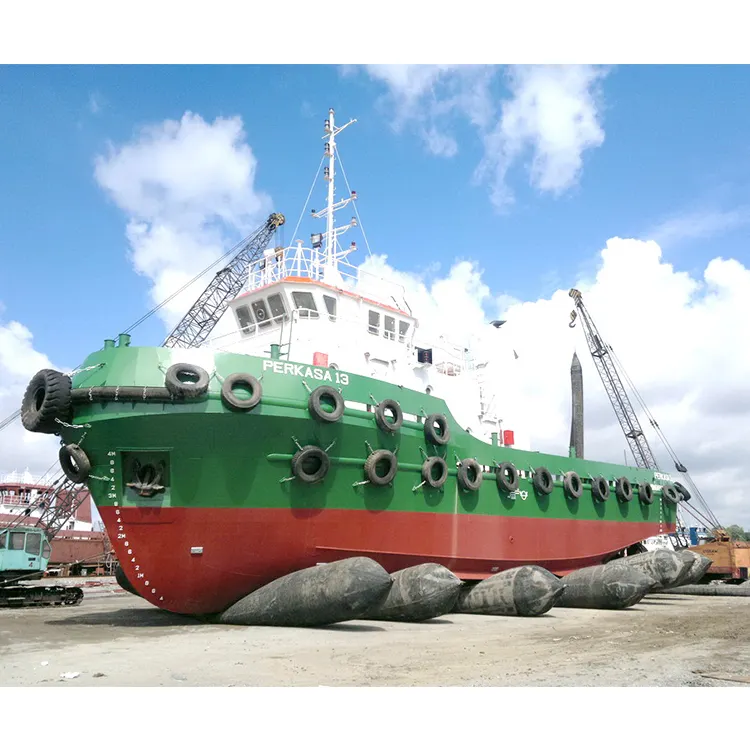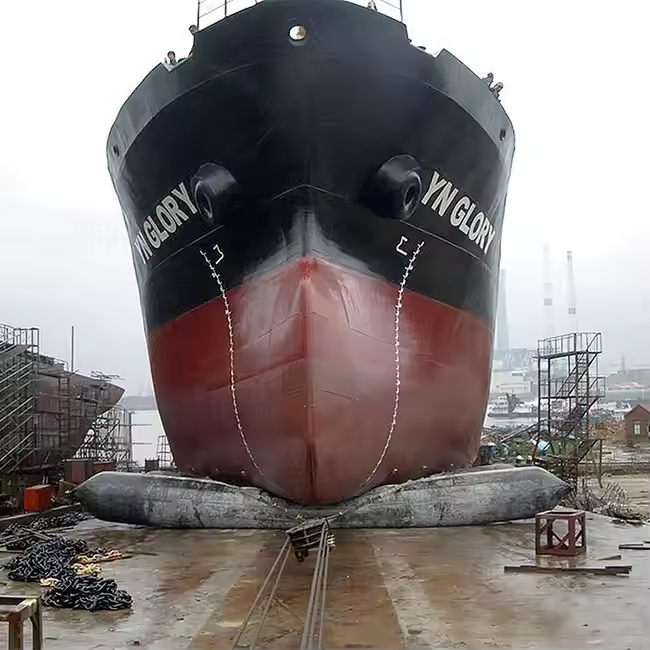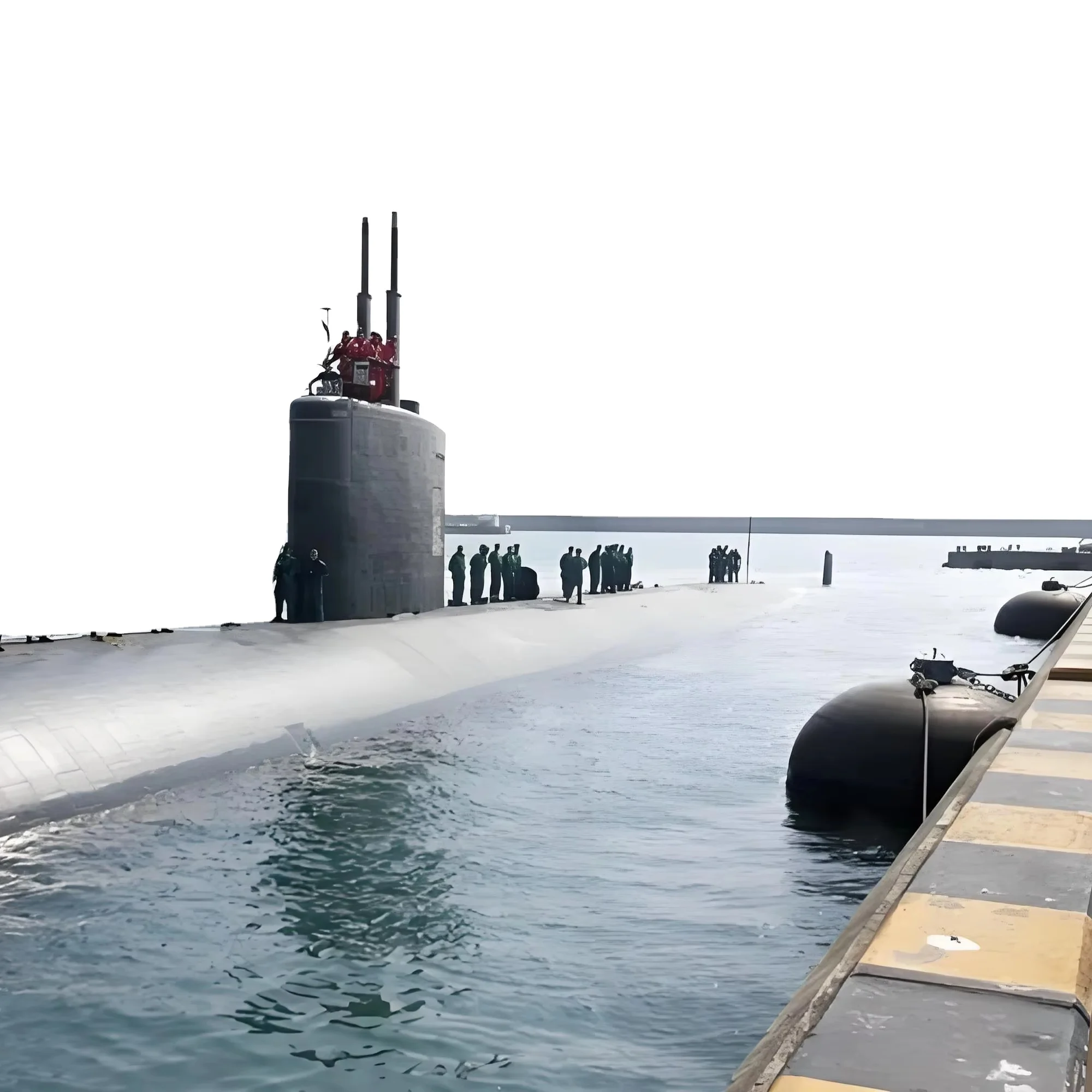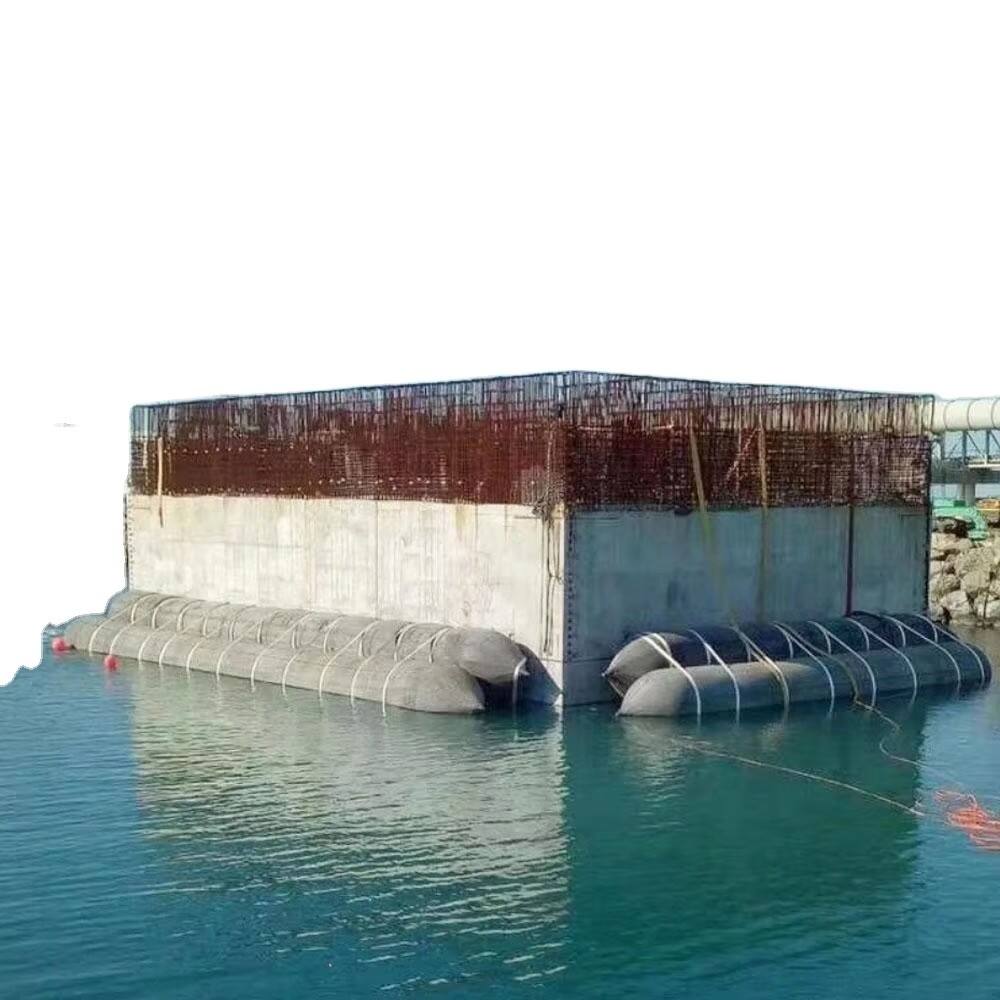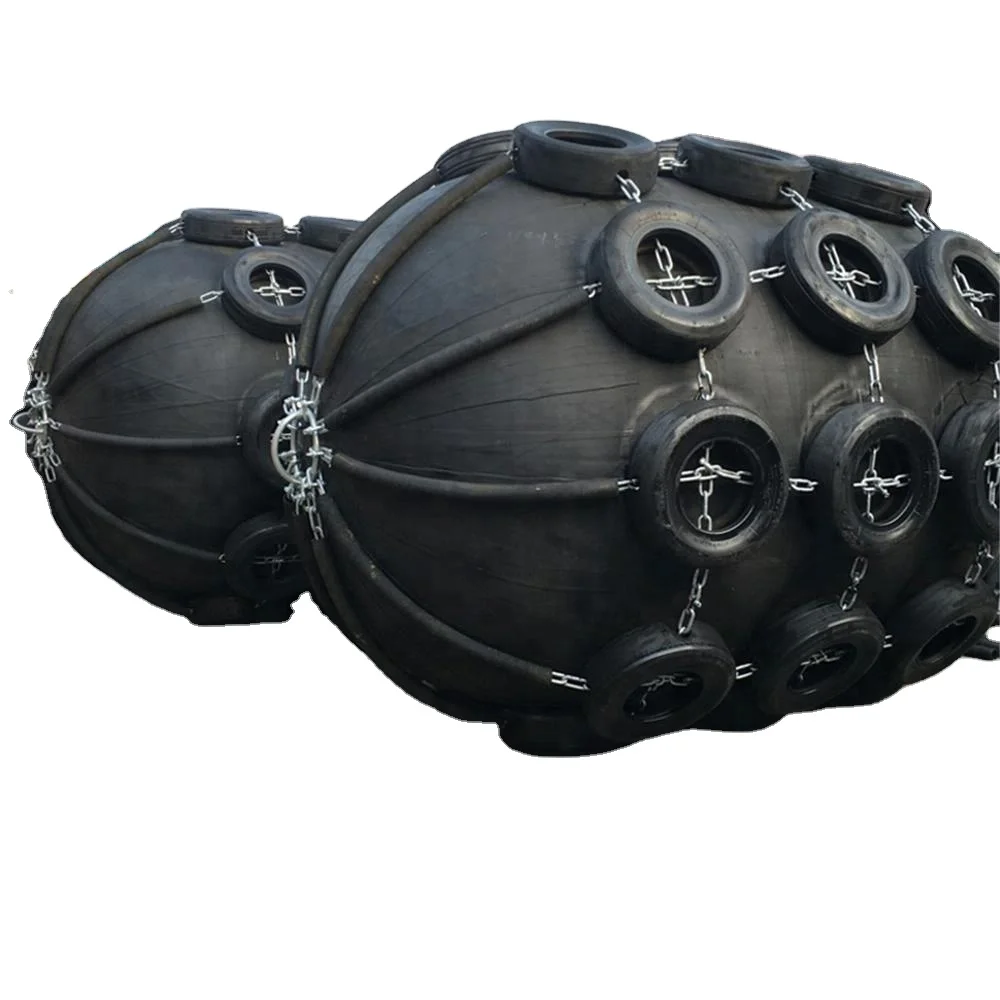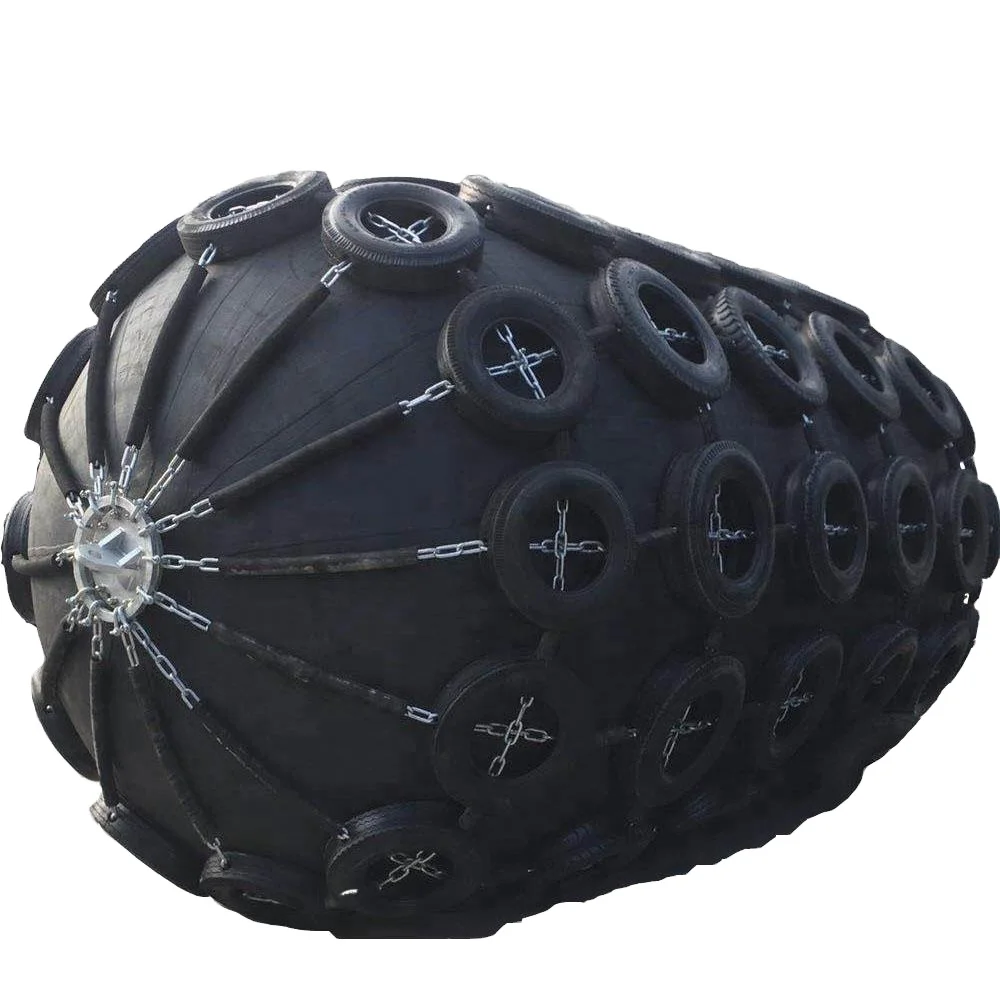
תקן ISO 17357-1:2014 מגדיר מגף גומי חלול עיצוב באמצעות שישה מדדים חשובים:
דרישות אלו מונעות חומרים לא תקניים כגון רשת ניילון, שמתפרקים במהירות הגבוהה ב-40% במים מלוחים בהשוואה לחוזקות פוליאסטר עמידות לפי ISO (Ponemon 2023).
ISO 17357-1 מכירה שתי מחלקות לחץ:
תקן P80 מפחית סיכוני התנגשות על ידי שמירה על כוחות תגובה הגבוהים ב-25% במהלך העברות STS. ניתוח משנת 2023 של 12,000 אירועים של עגינה הראה שפנדרים עם אישור P80 הפחיתו את קצב התאונות ב-32% בנמלי תנועה צפופה.
שלושה שלבים מבטיחים עמידה:
כما דגש בתיעוד ISO 17357-1:2014, יצרנים חייבים לרשום כל שלב בייצור — החל ממבחני צמיגות תערובת הגומי ועד לבדיקת הידרוסטטית סופית בלחץ גבוה פי 1.5 מהלחץ التشغתי.
מוסדות מסווגים עצמאיים בודקים שמשדרות גומי פנאומטיות אכן עומדות בסטנדרטים הבינלאומיים החשובים לשלמות ימית, עליהן כל כך מדברים. השמות הגדולים כאן כוללים את ABS, ראשי תיבות של American Bureau of Shipping, לאחר מכן LR מל Lloyd's Register, ולבסוף BV או Bureau Veritas. קבוצות אלו אינן סתם מבזילות מבט - הן ממש חוקרות לעומק כיצד מייצרים את המוצרים, בודקות אילו חומרים משמשים בהרכבתם, ומבצעות מגוון מבחני ביצועים כדי לוודא שהכל תואם את הסטנדרט הבינלאומי ISO 17357-1:2014, אם מישהו מעוניין בפרטים. מה שמעניין במיוחד הוא המיקוד שלהם בכמה טוב המשדרות עמידות בפני האם טבע עצמה. הן מבצעות מבחני הזדקנות מאיצים מיוחדים, שבהם exposing למשדרות למקור אור UV במשך ימים ארוכים ובצורה מתמדת, וכן שוקעות אותן במיכלי מים מלח. זה חשוב מאוד כשעובדים על פרויקטים חופיים, בהם תנאי האקלים יכולים להיות די קיצוניים.
ABS אחראית בעיקר לאימות מאפייני ספיגת האנרגיה לבניינים ימיים, בעוד ש-LR מתמקדת בדיקות שמירה על לחץ במתקני נמל עירניים. כאשר חברות מוסמכות על ידי SGS, הן עוברות גם בדיקות שרשרת אספקה קפדניות. ביקורות אלו עוזרות לעקוב אחר מקורות החומרים מהמקור ועד לכניסתם לייצור, ובכך מצמצמות בעיות הנגרמות מתערובות גומי באיכות ירודה שנכנסות לייצור. מחקר שהתפרסם בשנה שעברה גילה תגלית מעניינת בנוגע לטרנדים בשוק. ספקים שладים באישורים ממספר ארגונים מקבלים את אישורי הפרויקטים שלהם מהר יותר ברחבי העולם, ב-34 אחוז מהר יותר בהשוואה לאלה ללא אישורים כאלה. זה הגיוני כששקלים את העובדה שבמדינות שונות יש דרישות ותקנים שונים בין גבולות בינלאומיים.
ב-2022, כשנורווגיה הרחיבה אחת מתחנות ה-LNG שלה, היא הזדקקה למשדרות דחוסות שאושרו על ידי DNV ויכולות לספוג לפחות 65% מהאנרגיה גם בתנאי קיפאון של עד 30- מעלות צלזיוס. קבלת האישור הזה כללה הליך בדיקה מחמיר למדי. ראשית נערכו מבחני דחיסה בלחץ גבוה פי 2.5 מהלחץ التشغתי הרגיל, לאחר מכן נערך בדיקת חוזק החומר מול קרעים, ולאחר מכן בוצעו מבחני רסס מלח ממושכים שנמשכו כ-500 שעות רצופות. לאחר התקנת המשדרות, ביצעו צוותי התפעול בדיקות שגרתיות במהלך 18 החודשים הבאים ולא זוהה שום דליפת אוויר בכלל. ביצועים מסוג זה עלו על הדרישות לפי תקני ISO 17357 לעמידות, מה שנשמע הגיוני בהתחשב בצינורות הקיצוניות של החורפים הנורווגיים על הציוד.
באזור אסיה-פסיפיק, פקידי נמלים נוטים להשתמש בתעודות CCS (Construction of Contracting, CCS) מטעם חברת הסיווג הסינית (China Classification Society) בעת אישור פרויקטים של תשתית חופית. באירופה, הדברים עובדים אחרת, כאשר מפעילי טרמינלים רבים זקוקים הן לתעודות Lloyd's Register והן לתעודות Bureau Veritas לפני שהם ממשיכים. כשמדובר בפעילות גז טבעי נוזלי באופן ספציפי, התעשייה עדיין פונה ל-DNV לקבלת חותמת אישור הסוג שלה. מדוע? מכיוון שאישורים אלה תואמים מקרוב את תקני העגינה החשובים של OCIMF וגם עומדים בדרישות PIANC בנוגע לכמות האנרגיה הנספגת במהלך הליכי עגינה. רוב אנשי המקצוע יגידו לכל מי שישאל שקבלת הסמכה ספציפית זו היא למעשה בלתי ניתנת למשא ומתן אם הם רוצים שמתקן ה-LNG שלהם יתייחסו ברצינות על ידי בעלי עניין בינלאומיים.
מפרשים גומיים פניאומטיים חייבים לעמוד בכוחות עגינה מחזוריים תוך שמירה על שלמות המבנית. תקן ISO 17357-1:2014 מחייב בדיקה שלושתבית:
מחקרים עצמאיים מראים שתערובות גומי מתקדמות משפרות את עמידות המכה ב-18–28% בהשוואה לתערובות קונבנציונליות.
| פרמטר | שיטת בדיקה | סף מקובל |
|---|---|---|
| ספיגת אנרגיה | לחיצה מחזורית (ISO) | ≥70% מהקיבולת הנomינלית |
| ירידת לחץ | בדיקת שמירה של 72 שעות | ≤5% איבוד בדרוגים P50/P80 |
| התנגדות לאשuchi | חשיפה של 2,000 שעות למשיב קсенון | ללא סדקים בשטח הפנים |
התקן מחייב שהמפרשים האוויריים ישמורו על ≥95% מהלחץ הראשוני במשך 72 שעות ב-23°C. נתוני שדה מ-120 התקנות בנמלים (2023) מראים:
אימות צד ג' מקשר בין טענות יצרן למציאות הפעלתית. מעבדות מאושרות מבצעות:
מדדים אלו מתואמים עם ירידה של 89% בכשלים בשלבי אמצע החיים כאשר ההקפדה מחמירה.
פנדרים מ каучוק המיועדים לסביבות מימיות צריכים נוסחאות מיוחדות כדי לעמוד בגורמים שמפירים אותם לאורך זמן. בין הגורמים הללו נמנים קרני UV מזיקות מהשמש, רטיבות מתמדת במים מלחים, ונזק מאוזון באוויר. פנדרים איכותיים מכילים לרוב חומרים כגון פיח פלטינה בריכוז של כ-15 עד 25 אחוז, יחד עם מומסים מסוימים שמסייעים ליצור שריון על פני השטח. כאשר נבדקים לפי תקנים כמו ASTM D1149, המוצרים המיוצרים היטב יכולים לשמור על רוב עמידותם גם לאחר יותר מעשר שנים בסביבות חמות ולחות. עמידות בפני רסס מלח חשובה באותה מידה. פנדרים המ cumplים את المواصفות אובדים לרוב פחות מחמישה אחוזים מנפחם לאחר כ-5,000 שעות במגירות ערפל מלח לפי הנחיות ASTM B117. עמידות מסוג זה מהותית עבור כלי שיט הפועלים באזורים חופיים שבהם תהליך קורוזיה הוא תמיד עניין של דאגה.
יצרנים מובילים משתמשים בכלורופרן או תערובות גומי טבעי שעשויים עם:
תוספים אלו מאפשרים משך חיים בשירות של יותר מ-15 שנים, כפי שנבדק על פי ISO 22488 בבדיקות דחיסה מחזוריות שמדמות 2.5 מיליון עגינות ספינה.
| סביבה | אתגר 메erk | התאמת חומר | ביצועים מאומתים |
|---|---|---|---|
| קוטב צפוני (-40°C) | שבירות גומי | ממיסי פלסטיק בטמפרטורות נמוכות | עבר את מבחן הקיפוף בfrigore של ISO 2230 ב-50-°C |
| טרופי (45°C) | הרס על ידי קרינת UV/מיקרואורגניזמים | תוספי ZnO אנטי-מיקרוביאליים | פחות מ-2% סדקים על פני השטח לאחר תפעול בשטח בן 8 שנים |
ניתוחים במעבדה עצמאית מאשרים שנוסחאות מותאמות לטמפרטורה שומרות על עקביות בבליעת אנרגיה של ±5% בתנאי קיצון.
ISO 17357-1:2014 הוא תקן בינלאומי המתאר את העיצוב, הביצועים והדרישות להסכמה של פלטת גומי פנאומטיים המשמשים בסביבות ימיות.
התקן מזהה שתי קטגוריות לחץ, P50 (50 kPa) לתנאים מתונים ו-P80 (80 kPa) לסביבות קשות יותר כמו נשאי LNG.
אימות צד ג' מבטיח שפלטת הפנאומטיים עונים לתקני הבינלאומיים לבטיחות וביצועים, וчасто נדרש לאישורי פרויקטים ומכרזים בינלאומיים.
פלטת גומי פנאומטיים מיוצרים מחומרים כגון פולימרים עמידים בהידרוליזה, חומרי עיכוב שורף וחומרי ניטריל כדי לשפר את העמידות בתנאי ים קשים.
 חדשות חמות
2025-01-22
2025-01-22
2025-01-22
כל הזכויות זכויות שמורות © 2025 על ידי Qingdao Hangshuo Marine Products Co., Ltd. — מדיניותICY
 EN
EN